
The Home DIY Guide to Bananas without Going Bananas

So, you’re considering growing banana plants? First things first: they’re plants, not trees. That’s right; while they may look like trees, they’re actually large herbs, with their “trunk” being a pseudo-stem made up of tightly wrapped leaf bases. These tropical giants may look a bit intimidating, but they’re actually a blast to grow and can even turn your garden into a small tropical oasis.
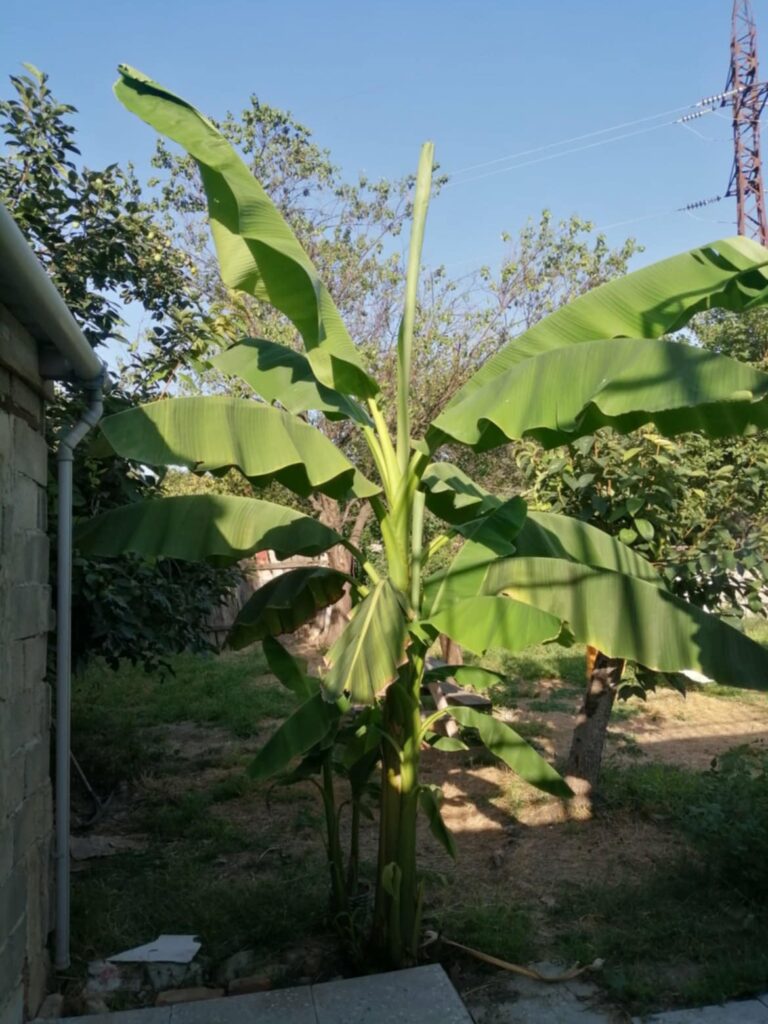
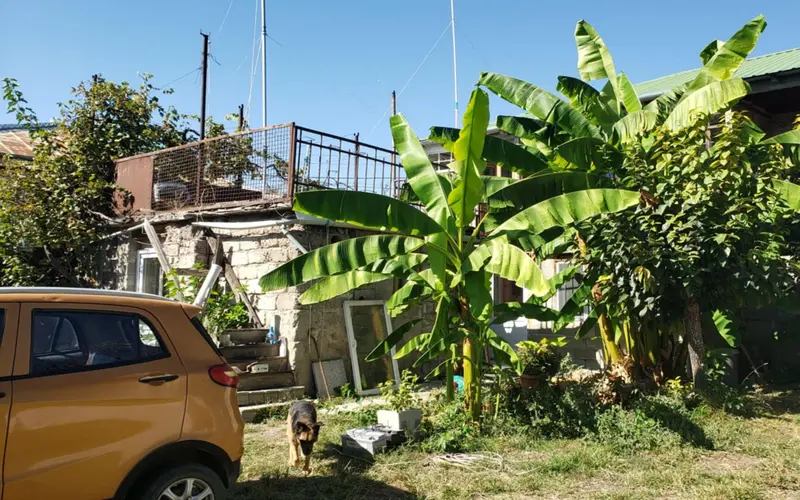
I planted mine to one side of the window, near my door. In the winter they are only trunks. In the summer, they keep the 30-35 degree heat from the sun down to a reasonable level. One big sun umbrella.
Let’s dig into everything you need to know to grow bananas from pups (aka suckers) – their baby sprouts that are your key to starting a thriving banana grove. We’ll cover tools, climate needs, soil, watering, and more. Let’s get those bananas growing!
The Basics: Understanding the Life Cycle of Banana Plants
Banana plants have a unique life cycle. Each plant, once mature, will bear one large bunch of bananas, and then that’s it. The plant will stop producing new leaves and will eventually die back. But fear not! By this time, it should have produced pups around its base, which you can use to continue growing more bananas. It’s like the “circle of life” – but with bananas.
Here’s the breakdown:
- Banana plants aren’t trees – they’re herbaceous perennials with a life cycle that’s pretty straightforward.
- Each plant flowers and fruits only once, producing a bunch of bananas, then it stops.
- After fruiting, the “mother plant” dies back, leaving its pups to take over. You’ll want to choose the best pups to carry on the family legacy.
Climate Requirements: Bananas Thrive in Warm, Tropical Weather
Bananas aren’t picky about a lot, but they are particular about climate. They hail from the tropics, so they love it warm and humid.
- Temperature: They need warmth to thrive, ideally temperatures between 75°F to 95°F (24°C to 35°C). They can tolerate some cooler nights, but prolonged cold isn’t good for them.
- Humidity: High humidity (50-70%) helps bananas grow lush and healthy. Dry air can cause stress to these tropical beauties.
- Sunlight: Banana plants need full sun (at least 6-8 hours a day). If you’re in a very hot climate, a little afternoon shade can protect the plant from burning.
If you’re in a colder climate, you’ll either need to bring your bananas inside over winter or consider growing them in containers so they can move with the seasons. They’re also surprisingly adaptable to greenhouse growing, so if you have a bright, warm greenhouse, they can grow happily year-round.
Tools of the Trade: What You’ll Need to Get Growing
Like all good DIY projects, growing bananas from pups requires a few basic tools. Here’s your banana-growing toolkit:
- Garden Spade: For digging and transplanting your banana pup, a sturdy garden spade is essential.
- Sharp Knife or Pruners: When separating a pup from the mother plant, a clean, sharp knife is crucial. Dull tools can damage the plant and make it susceptible to infection.
- Mulch: Organic mulch like straw or compost is key for keeping the soil moist and mimicking the leaf litter of the banana plant’s natural tropical habitat.
- Watering Can or Hose: Bananas need a consistent water supply, especially while establishing roots. A good watering can or a hose with a gentle spray is helpful.
- Fertilizer: Bananas are heavy feeders, so a good quality, balanced fertilizer will keep them happy. Look for one rich in potassium – bananas love it.
Step-by-Step: Growing Bananas from Pups
Now let’s get to the heart of the matter. Growing banana plants from pups is a simple, rewarding process – but it does take a little know-how.
1. Choosing the Right Pup
Not all pups are ideal for propagation. Look for a pup that is at least 12 inches tall and has some girth to it. If the pup is too small, it may struggle to establish itself.
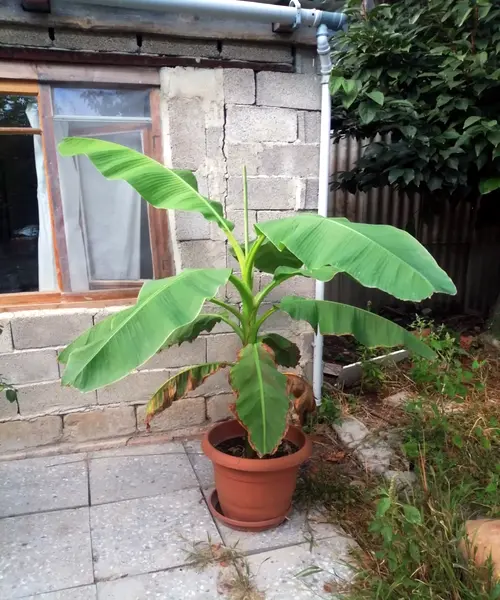
I grew mine from a single little pup given to me by the owner of the local grocery store from his collection near the shop door. It was a weedy little thing and many shook their heads when I said I would grow a forest of them.
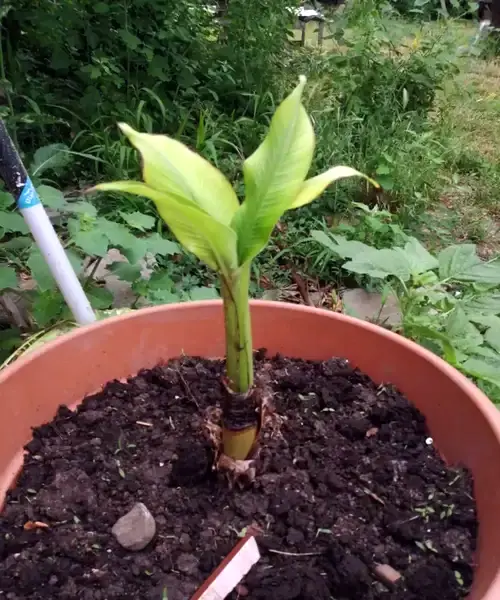
- Sword Suckers: These are pups with narrow leaves and are best for propagation since they are strong and grow into productive plants.
- Water Suckers: These pups have wider leaves and don’t have a strong connection to the mother plant. They can be propagated but are often weaker and less productive.
2. Separating the Pup from the Mother Plant
Once you’ve chosen your pup, it’s time to separate it from the mother plant.
- Dig around the base of the pup to expose the roots.
- Use your sharp knife or pruners or a spade to cut the pup away from the mother plant. Be careful to keep as much of the pup’s root system intact as possible. I use a sharp spade which has proved perfectly satisfactory and ensures that a lot of the root comes with the pup.
- Lift the pup gently out of the ground, trying not to damage its roots.
3. Planting the Pup in Its New Home
Bananas need rich, well-draining soil, ideally with some organic matter mixed in.
- Dig a hole that’s about twice the size of the pup’s root ball.
- Place the pup in the hole, and fill it back in with soil, making sure to cover the roots completely.
- Give the newly planted pup a good soak of water.
For the first few weeks, keep the soil consistently moist but not soggy. Banana plants thrive in moisture but can rot if left in overly wet soil.
Feeding and Watering: Keeping Your Banana Plant Happy
Bananas are big eaters and drinkers – after all, they’re producing massive leaves and eventually fruit, so they need a steady supply of nutrients and water.
Fertilizing
Bananas plants are potassium lovers (makes sense, right?). They also need a fair amount of nitrogen and phosphorus. Here’s a rough guide:
- Monthly feedings with a balanced fertilizer (10-10-10 N-P-K) or one slightly higher in potassium.
- You can also use banana peels chopped up and mixed into the soil around your plant for a potassium boost.
Watering
Creating The Best DIY Drip Irrigation SystemCreating The Best DIY Drip Irrigation SystemBananas need consistent moisture, but they don’t like soggy roots. Here’s the watering rule of thumb:
- In warm, sunny weather, water bananas about 2-3 times a week.
- In cooler or rainier weather, you can scale back, but keep an eye on the soil – it should always be slightly damp, like a wrung-out sponge.
Mulching
Mulching around the base of the banana plant helps retain moisture and keeps weeds down. A 2-3 inch layer of organic mulch (straw, leaves, or compost) around the plant will mimic the natural habitat of a banana plant and make your plant feel right at home.
Dealing with Pests and Problems
Banana plants are relatively easygoing, but a few pests like to make a snack out of them.
- Aphids: Tiny green or black insects that feed on the plant’s sap. A spray of soapy water usually does the trick.
- Spider Mites: If you see tiny webs on the leaves, you likely have spider mites. A blast of water or a natural insecticide should keep them at bay.
- Root Rot: Overwatering or poor drainage can lead to root rot. Make sure your soil drains well, and avoid overwatering.
The Grand Finale: Harvesting and Beyond
Once your banana plant matures, it’ll produce a flower stalk, which will eventually turn into a bunch of bananas. Harvesting bananas is all about timing – you want them to be full-sized but still green. Once the bananas begin to ripen, they’ll do so quickly.
And remember, after producing its bunch, that particular plant’s job is done. The mother plant will die back, but if all has gone well, she’ll have left behind a family of pups to take her place.
Bringing the Tropics to Your Backyard
Growing banana plants from pups can be one of the most satisfying experiences for a home gardener. From the thrill of separating your first pup to the reward of watching it grow and, finally, produce a hefty bunch of bananas, this is a project that combines patience with payoff. Plus, who doesn’t want their own little slice of the tropics right in their backyard? I also grow yucca plants in that part of the garden.
So go ahead, plant that pup, keep it fed and watered, and before you know it, you’ll be making smoothies with bananas you grew yourself. There’s nothing quite like it!