
Grey water is the relatively clean wastewater from household activities like washing dishes, doing laundry, or taking showers. Water scarcity and sustainability are growing concerns around the world. One way that homeowners can contribute to water conservation efforts is by installing a grey water recycling system. Unlike black water (from toilets), grey water can be treated and reused for non-potable purposes, such as irrigation, toilet flushing, or even cooling systems.
Table of Contents
For the DIY enthusiast, installing a grey water recycling system can be a rewarding project that benefits both the environment and your household’s water bill. This article will guide you through the process of designing and installing a grey water system, including understanding the basic concepts, selecting materials, and step-by-step instructions for building your own system.
Benefits of a Grey water Recycling System
Before diving into the specifics of building a grey water system, it’s important to understand the key benefits that such a system provides:
- Water Conservation: By recycling grey water, you reduce the amount of fresh water needed for non-potable uses, helping to conserve this vital resource.
- Lower Water Bills: With less reliance on municipal water for irrigation or toilet flushing, your monthly water bill can decrease significantly.
- Environmental Sustainability: Grey-water recycling systems reduce the load on local wastewater treatment facilities, reducing energy consumption and pollution.
- Healthier Plants: When properly treated, grey water can be an excellent source of irrigation for your garden. It contains small amounts of nutrients like nitrogen and phosphorus, which benefit plants.
- Reduce Strain on Septic Systems: For homes with septic systems, diverting grey water away from the system can reduce the frequency of tank pumping and prolong the life of the system.
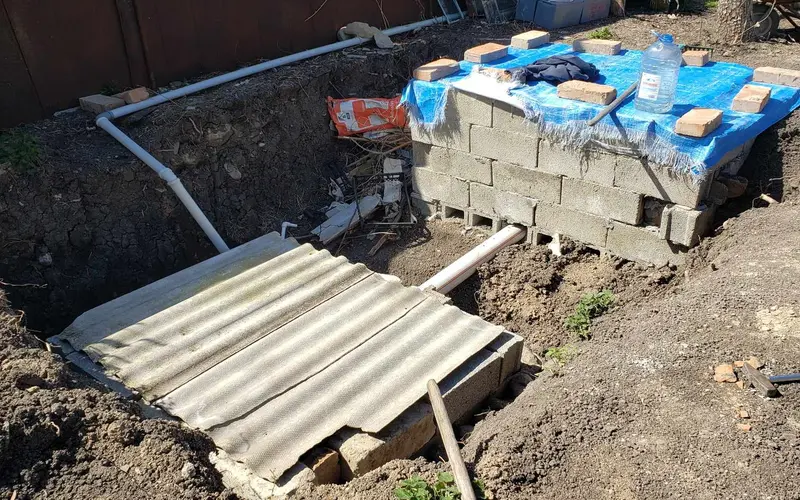
Redirecting the Grey water: With my own system, the grey water was originally directed into the soakaway as can be seen in the photo above (the small diameter pipe at the back, completely bypasses the toilet digester. This was a temporary plan until things were up and running – one job at a time. This is why the greywater pipe was not buried.
Present Greywater System
The grey water pipe has now been directed into a watering system for the garden using the standard black plastic pipe useds for irrigation systems. It also feeds into a buried tank made from a 60 gallon plastic container. The tank is buried so that the greywater is gravity fed into the tank and a pump draws water from the tank to feed a garden hose and sprinklers for summer use.
Key Considerations for a Grey water System
1. Understanding Grey-water Sources
Grey water comes from household activities where the water is relatively clean, such as:
- Showers and Bathtubs: The most common and easiest source of grey water.
- Bathroom Sinks: Generally safe to use, but avoid systems that collect water from kitchen sinks or dishwashers, as they tend to contain food particles and fats that can clog your system.
- Laundry: Laundry water can be a major source of grey water, but care must be taken to ensure that harmful detergents or bleach are not included in the water being recycled.
It’s important to note that greywater is not safe for drinking or other potable uses. However, it can be safely reused for non-potable purposes with proper filtering and treatment.
| Bedrooms | Laundry | Bathroom | Total gallons per day | Irrigation Area square feet |
| 2 | 25 | 45 | 70 | 520 |
| 3 | 40 | 55 | 95 | 750 |
| 4 | 50 | 80 | 130 | 1000 |
| 5 | 60 | 100 | 160 | 1200 |
2. Regulations and Permits
Before building a greywater recycling system, check local regulations and building codes. In many places, grey-water systems must meet certain standards for safety and public health. You may need a permit to install a system, especially if it is connected to your home’s plumbing.
3. System Design Options
There are two basic types of grey water recycling systems: gravity-fed systems and pumped systems.
- Gravity-fed Systems: These rely on natural slopes or gravity to move grey water from your home to the desired location (usually the garden or lawn). They are simpler to install but may require careful planning to ensure proper flow.
- Pumped Systems: In situations where the grey water needs to be moved uphill or across a flat area, a pump can be used to direct the water. These systems are more complex but allow for greater flexibility in terms of where the water is used.
4. Water Filtration
While grey water can be reused directly for irrigation, it’s often beneficial to filter it to remove solids, hair, or soap scum that could clog pipes or damage plants. DIY filtration systems can include simple mesh screens, gravel filters, or even sand filters for a higher level of filtration.
Step-by-Step Guide to Building a Home Grey-water Recycling System
Now that you understand the basics of grey-water recycling, let’s get into the nuts and bolts of installing a system at home. We’ll focus on a simple gravity-fed system first for irrigating a garden, as it’s one of the most accessible options for the average DIY enthusiast.
Materials Needed:
- PVC pipes and fittings (sized to your plumbing system)
- Ball valves or diverter valves
- Mesh filter or grey-water filtration unit
- Gravel, sand, and fabric for filtration beds (if desired)
- Hose or irrigation piping
- Drill and saw
- Plumber’s tape
- Waterproof sealant
- Optional: Pump (for pumped systems)
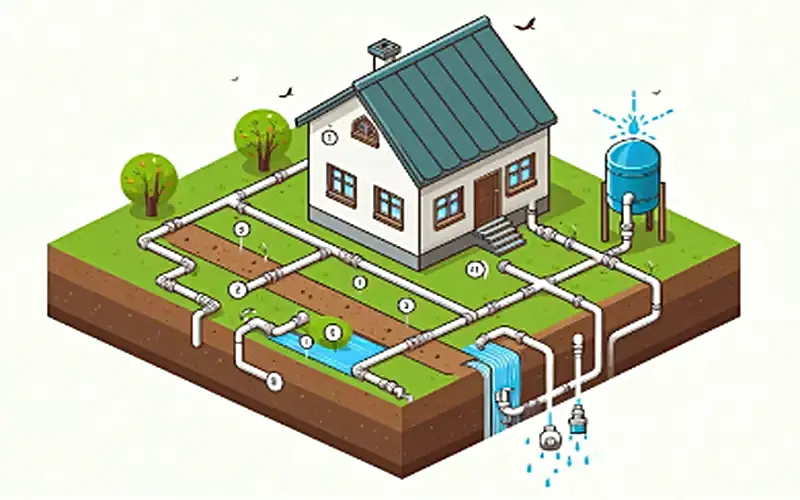
Step 1: Identify Grey-water Sources
The first step is identifying which grey-water sources in your home are suitable for recycling. The most common and easiest-to-access sources are bathroom sinks, showers, and washing machines. Once you’ve decided which fixtures will be used, trace the path of the drainage pipes.
Step 2: Install a Diverter Valve
For each grey-water source you plan to use, you’ll need to install a diverter valve to control whether the greywater goes into the sewer system or is diverted to your grey-water system. This is crucial for times when you don’t want to reuse greywater, such as when using harsh chemicals or during very rainy seasons.
To install the diverter valve:
- Locate the drainpipe from your greywater source (e.g., beneath your bathroom sink).
- Cut into the drainpipe and insert the diverter valve using PVC glue and fittings.
- Attach one end of the valve to the original drain line and the other to the greywater system.
The valve should have a handle that allows you to switch between normal drainage and greywater recycling easily.
Step 3: Set Up the Greywater Collection System
Once the greywater is diverted from your home’s drain, it needs to be collected and treated. Depending on the simplicity or complexity of your system, you have several options:
- Simple Collection Systems: For small gardens, a hose connected to the greywater source can be used to direct the water straight to the garden beds.
- Gravity-fed Irrigation: Now if you want to complicate it for a more sophisticated system, use underground PVC pipes with holes drilled into them to distribute greywater evenly across your garden. You can also set up a mulch basin or gravel-filled trench to filter the water before it reaches plant roots.
If you’re not irrigating directly, install a greywater tank. The tank should be located below the greywater source, allowing gravity to fill it. Make sure the tank has an overflow outlet to divert excess greywater to the sewer in case the system is full. If the the system will use a tank, it will need to be pumped to the garden, but this will also allow the use of sprinklers for lawn watering.
Step 4: Install a Filter (Optional)
To prevent clogging and ensure that plants receive clean greywater, install a simple filter system. For a DIY project, a mesh screen at the entrance of the greywater pipe can catch large debris, while a gravel or sand filter can be used for finer filtration.
For more advanced systems, you can build a filter box using gravel, sand, and fabric to remove soap residue and other particles. The water then passes through the filter before reaching your garden or storage tank.
Step 5: Set Up the Irrigation System
If you plan to use greywater for garden irrigation, set up an irrigation system that connects to the greywater collection tank or directly from the diverter valve. You can use flexible irrigation hoses or PVC pipes with holes drilled along the length to evenly distribute water across your garden.
The irrigation lines should be placed around plants that can handle greywater, such as trees, shrubs, and certain vegetables. Be mindful not to water edible parts of plants with greywater.
Step 6: Maintenance and Care
Once your greywater system is up and running, maintenance is key. Regularly clean filters, check for leaks and make sure the diverter valves are functioning properly. Over time, soap scum or lint from laundry water may clog pipes or filters, so it’s important to inspect the system regularly to prevent any issues.
Advanced Greywater Systems
For more ambitious DIYers, there are advanced greywater systems that include:
- Pumped Systems: These systems can store greywater in a tank and pump it uphill to irrigate a garden or flush toilets.
- Constructed Wetlands: Some greywater systems use a constructed wetland—a mini-ecosystem of water plants and microorganisms—to filter and purify greywater before it is reused. This method not only treats greywater effectively but also provides a beautiful addition to the garden.
- Indoor Reuse: Advanced systems can be designed to reuse greywater for flushing toilets or cooling systems within the home.
Installing a home greywater recycling system is an excellent way to reduce water waste and contribute to sustainable living. With a little planning, some basic materials, and DIY enthusiasm, you can create a system that diverts greywater from your home and reuses it for irrigation or other non-potable purposes. Not only will this help the environment, but it will also lower your water bill and increase the efficiency of your household. As with any DIY project, start small, adhere to local regulations, and enjoy the satisfaction of making your home more eco-friendly by adding a Home Greywater Recycling System