
Welcome to the wonderful world of battery drills and electric screwdrivers—the tools that will make your DIY projects not only faster but also infinitely more fun. You’ve finally decided to take your DIY game to the next level. You’ve got the plans, the wood and maybe even a catchy playlist to keep you motivated. But wait—are you still using that old rusty hand drill from your grandad’s shed? Let’s be honest: it’s time for an upgrade.
Table of Contents
If you’ve ever tried to drive a screw into hardwood with nothing but a manual screwdriver, you know it’s the DIY equivalent of trying to push a boulder uphill with a toothpick. But armed with a battery-powered drill or electric screwdriver, you’ll feel like a superhero—powerful, efficient, and, dare I say, unstoppable.
Ready to dig in? Let’s explore everything you need to know about choosing, buying, and using these magical tools, plus a few tips and accessories to make sure you’re well-prepared for any project.
Why Every DIY Enthusiast Needs a Battery-Powered Drill
If you’re serious about DIY, a battery-powered drill is a non-negotiable tool. It’s the Swiss Army knife of the power tool world—versatile, reliable, and downright essential for nearly every home improvement project. Whether you’re building furniture, hanging shelves, or even putting together flat-pack furniture (shout out to IKEA survivors), you’ll need a drill that can handle all the action.
What Is a Battery-Powered Drill?
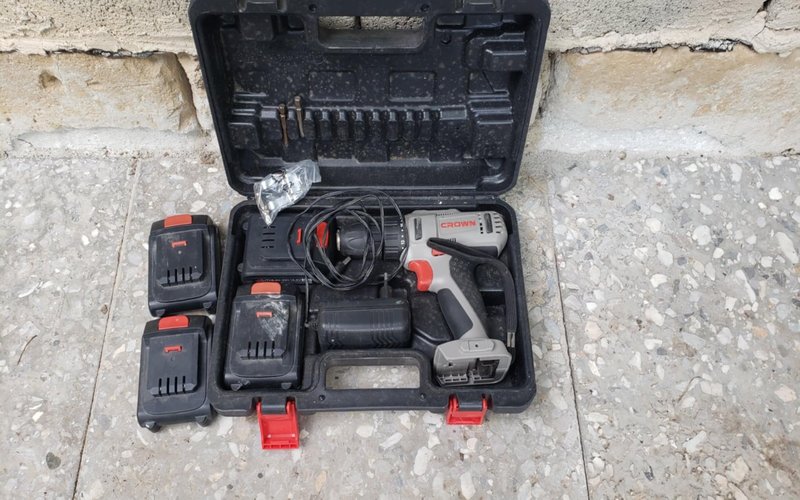
In simple terms, a battery-powered drill is a handheld tool that uses a rechargeable battery to power a rotating drill bit or driver. The drill is perfect for boring holes into wood, metal, plastic, or masonry, and can also drive screws with ease.
Battery drills come in two main types:
- Drill Drivers: These are your all-rounders. They both drill holes and drive screws, making them the go-to tool for most tasks.
- Hammer Drills: These drills have an added hammering function, which is great for working with masonry and concrete. You’ll want this if you’re planning on doing more heavy-duty projects like drilling into brick walls or concrete floors.
Why Choose Battery-Powered Over Corded?
- Mobility: With no cords to trip over or plug sockets to hunt down, battery-powered drills offer far more freedom. Whether you’re working in the garage, the garden, or on the roof (be careful up there!), you can take your drill with you anywhere.
- Ease of Use: No more tangled cords, no more worrying about extension leads. Just grab your drill, make sure the battery is charged, and you’re good to go.
- Modern Power: These days, battery-powered drills have come a long way. You can find compact, lightweight models with batteries that last long enough to handle most home projects. Don’t worry—you won’t be running out of juice halfway through drilling a hole for that coat rack.
Choosing the Right Battery-Powered Drill
Now that we’ve established why you need one, let’s talk about what to look forwhen buying a battery-powered drill.
1. Battery Voltage
Battery voltage is one of the first things you’ll see when comparing drills. Most consumer-grade drills come in 12V, 18V, and 20V varieties. Here’s a quick rundown:
- 12V drills are smaller and lighter, making them ideal for smaller tasks like assembling furniture or hanging pictures. They’re great for beginners or those who don’t need industrial-strength power.
- 18V and 20V drills are the standard for most DIY enthusiasts. They’re powerful enough for drilling through wood, metal, and even masonry with the right bits. The slight difference between 18V and 20V is more marketing than mechanics, so don’t sweat it too much—both are excellent choices for heavier-duty work.
2. Battery Life and Charging Time
Battery life is crucial, especially if you’re planning on a weekend of uninterrupted DIY bliss. Most drills these days use lithium-ion (Li-ion) batteries, which hold a charge well and don’t suffer from the memory effect (that annoying problem where older battery types would lose capacity if not fully drained before recharging).
Make sure to look for a drill that comes with two batteries—one to use and one to charge. This way, you can keep working without having to wait around for your battery to recharge. And speaking of recharging, check the charging time. Fast chargers can have your battery ready to go in under an hour, which is a game-changer when you’re mid-project and need that extra power boost.
3. Speed and Torque Settings
Battery-powered drills come with variable speed settings and adjustable torque. Speed is measured in RPMs (revolutions per minute), and you’ll want a drill with a higher RPM for drilling holes and a lower RPM for driving screws. Most drills offer two speeds, allowing you to switch between tasks easily.
Torque is the twisting force the drill can apply. When driving screws, higher torque is needed to prevent stripping the screw or damaging the material. Look for a drill with an adjustable clutch that lets you control the torque, so you don’t end up driving screws too deep or—worse—splitting the wood.
4. Ergonomics and Weight
You’re going to be holding this thing for extended periods, so it better feel good in your hands. Look for a drill with a comfortable grip and well-balanced weight. Compact models are ideal for most home projects, but don’t sacrifice power just to save on weight—find a balance that works for you.
Electric Screwdrivers: The Unsung Hero of DIY
Now that we’ve sung the praises of the battery-powered drill, let’s not forget its often-overlooked cousin: the electric screwdriver.
Imagine you’re working on a project that requires driving a hundred screws in quick succession. Sure, you could use a regular screwdriver and build up some impressive forearm muscles, or you could save time, energy, and frustration with an electric screwdriver.
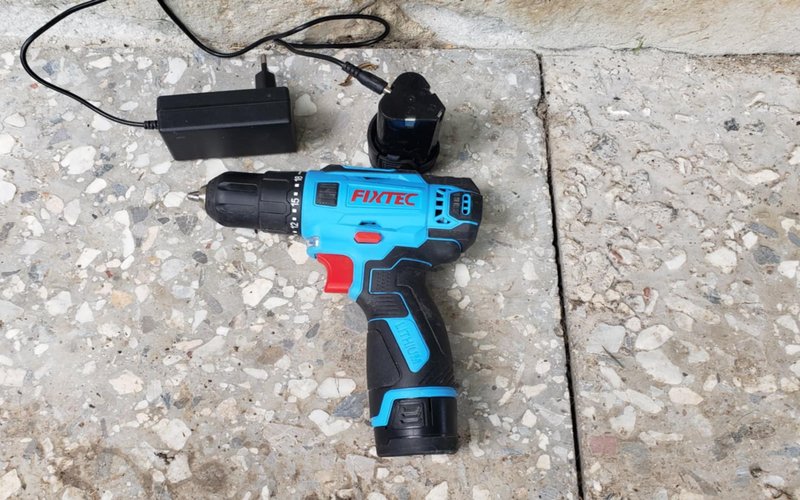
Electric screwdrivers are smaller, lighter, and specifically designed for driving screws with precision. They may not be as versatile as drills, but they’re perfect for smaller, repetitive tasks like assembling flat-pack furniture or screwing hinges into cabinets.
Key Features to Look For in an Electric Screwdriver
- Compact Size: These tools are designed to be lightweight and easy to use, so look for something small enough to fit in tight spaces but powerful enough to get the job done.
- Torque Control: Like drills, electric screwdrivers should have adjustable torque settings so you don’t end up over-tightening or stripping screws.
- Rechargeable Battery: Most electric screwdrivers come with built-in rechargeable batteries. Look for one with decent battery life so you don’t have to recharge every few minutes. Some even come with USB charging for added convenience.
Drill and Screwdriver Bits: The Tools You’ll Actually Use
When you buy a drill or electric screwdriver, you’re not just investing in the tool itself—you’re opening the door to a world of bits and accessories. Here’s a quick rundown of the essential bits you’ll need.
1. Drill Bits
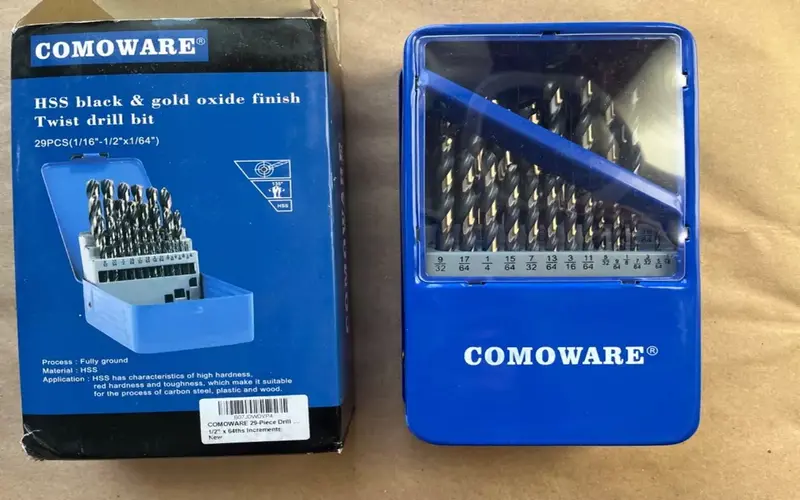
- Twist Bits: These are the most common type of bit and are perfect for drilling into wood, plastic, and light metals.
- Spade Bits: Ideal for drilling large, flat-bottomed holes in wood. Great for running cables through walls or making holes for plumbing.
- Masonry Bits: If you’re planning to drill into concrete, stone, or brick, you’ll need these. They’re tough, and they get the job done.
- Forstner Bits: These are ideal for making precise, clean holes with flat bottoms—perfect for woodworking projects.
- Good drill bits can be expensive. Avoid the cheap ones. They break or go blunt very quickly.
2. Screwdriver Bits
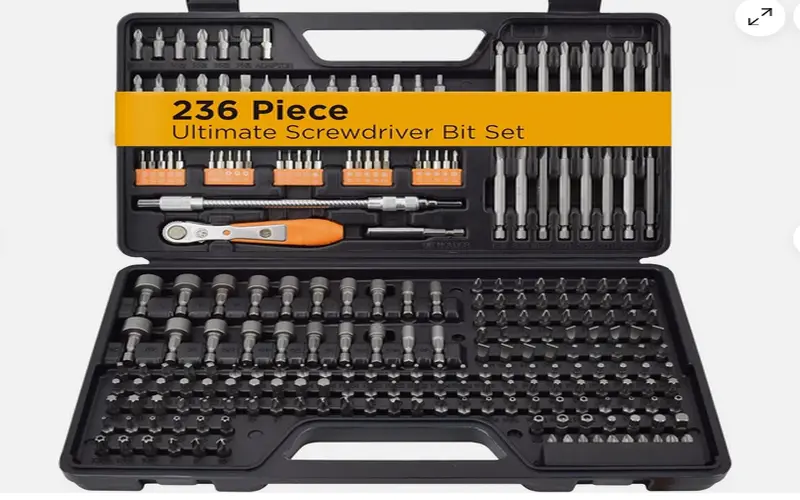
- Phillips and Flathead Bits: These are the bread and butter of any screwdriver set. Most projects will require one or the other, so it’s always good to have a variety of sizes on hand.
- Hex and Torx Bits: These are used for specific screws (often found in furniture and automotive work). Having a set of these will help you tackle any unusual screws you come across.
3. Countersink Bit
Want those screws to sit flush with the surface of your wood? A countersink bit is your best friend. It drills a small hole for the screw head to sit in, giving your project a smooth, professional finish.
Handy Accessories for Your Battery-Powered Drill and Electric Screwdriver
If you want to up your DIY game, consider adding a few accessories to your toolbox:
1. Magnetic Bit Holder
A magnetic bit holder is an absolute lifesaver when you’re switching between bits quickly. It holds the bit in place and prevents any awkward fumbling around. Plus, it’s great for keeping screws nearby when you’re working in hard-to-reach places.
2. Right-Angle Adapter
Ever try to drive a screw in a tight corner? It’s a nightmare. A right-angle adapter attaches to your drill or electric screwdriver, allowing you to access those tricky spots with ease.
3. Extra Batteries
Always have a spare battery on hand. There’s nothing worse than getting halfway through a project only to be stopped dead in your tracks by a dead battery.
Power in Your Hands
Battery-powered drills and electric screwdriversare the cornerstone of any DIY enthusiast’s toolkit. With the right drill or driver in hand, you’re not just equipped for tackling home projects—you’re empowered to handle everything from assembling furniture to building shelves and fixing fixtures with ease. Remember, choosing the right tool for your needs, knowing the right bits to have on standby, and keeping your batteries charged will make every job smoother. Plus, with the versatility and freedom that cordless tools offer, you’re free to work wherever inspiration strikes—no cords, no limitations, just you, your project, and the power to make it happen. Happy drilling and driving!