
Shaving, Smoothing, and Shaping Like a Pro
If you’ve ever attempted to smooth out a piece of wood using sandpaper and elbow grease alone, you know the frustration—your arm feels like it’s been through a workout, and the wood still has lumps and bumps in all the wrong places. Enter the electric planer, the DIY enthusiast’s best friend when it comes to making wood smoother than a baby’s bottom and turning rough, warped planks into perfectly flat surfaces. If you’re serious about woodworking or even just dabbling in home projects, this is one tool you definitely want in your arsenal.
Table of Contents
But what exactly is an electric planer, and why should you add one to your collection of power tools? Let’s dive into the world of the electric planer, talk about how to choose the right one and explore essential accessories,
What is an Electric Planer, and Why Do You Need One?
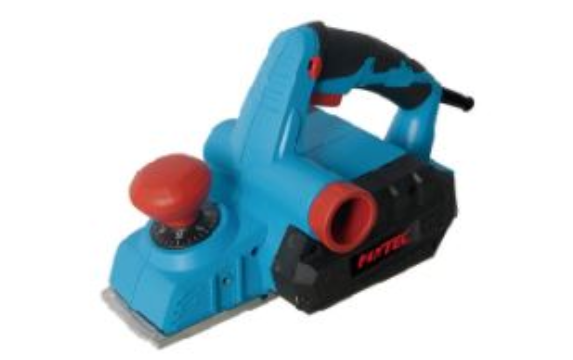
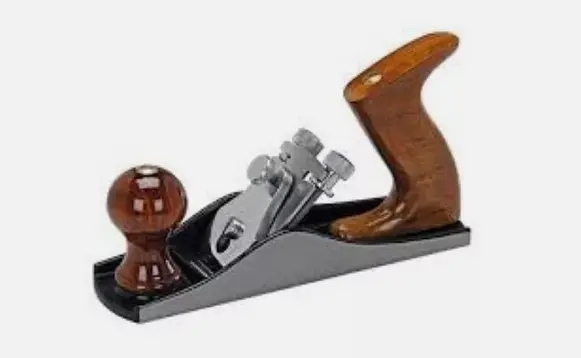
An electric planer is a handheld power tool designed to shave thin layers off wood, levelling and smoothing surfaces. Think of it as the modern, high-speed equivalent of the classic hand plane. While a hand plane gives you that satisfying, old-school woodworking experience (and a good upper-body workout), the electric planer does the job in a fraction of the time. It’s especially useful for tasks like trimming doors, flattening uneven surfaces, and shaping timber for your DIY projects.
If you’re serious about making your wood surfaces as smooth as your sanding-induced daydreams, the electric planer is a must-have.
Why Choose an Electric Planer Over a Hand Plane?
- Speed and Efficiency: With an electric planer, you can take off a lot more material in a lot less time. That means less sweating and swearing and more getting things done.
- Precision: Electric planers offer adjustable cutting depths, meaning you can control exactly how much material you remove with each pass. This makes it easy to get a uniform surface without the risk of gouging too deep into the wood (assuming you’re not overly ambitious with that depth dial).
- Versatility: Planing doors, levelling tabletops, or even chamfering edges—an electric planer can handle it all. With the right technique and accessories, you can go from a rough, saw-cut surface to a smooth finish in just a few passes.
Buying the Right Electric Planer: What to Look For
Not all electric planers are created equal, and when you’re buying one, it’s essential to keep a few things in mind. Here’s what to look for when making your purchase.
1. Power and Motor Size
The power of your electric planer will determine how quickly and effectively it removes material. Look for a planer with at least 5 to 7 amps of power—this will be sufficient for most home DIY tasks. If you’re tackling heavier-duty projects or frequently working with hardwoods, you might want to consider a model with a more powerful motor.
A more powerful motor means the blades will spin faster and cut through the wood more efficiently, saving you time and effort. However, remember that with great power comes great responsibility—don’t go overboard on your first few passes unless you want to turn your beautiful oak tabletop into firewood.
2. Cutting Width and Depth
The cutting width determines how wide of an area you can shave in a single pass. Most electric planers offer a cutting width of around 3-1/4 inches, which is the standard size for most DIY enthusiasts. This should be more than enough for most home projects like trimming doors or smoothing outboards.
The cutting depth refers to how much material the planer removes with each pass. Most planers allow you to adjust the depth, usually up to 1/8 of an inch. While it might be tempting to set the depth to its maximum for quicker results, it’s usually better to take multiple lighter passes to avoid any unwanted dips or gouges.
3. Blade Type
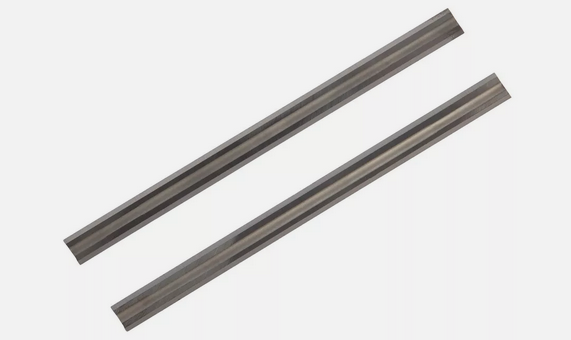
Electric planers use either high-speed steel (HSS) or carbide blades.
- HSS blades are cheaper and easier to sharpen, but they wear out faster, especially if you’re working with harder wood.
- Carbide blades, on the other hand, are more durable and stay sharp longer, but they tend to be more expensive. If you’re planning on doing a lot of planing (and who wouldn’t once you get started?), investing in carbide blades is worth it in the long run.
- Be absolutely certain that the piece of wood you are planing does not contain any nails or screws. You can ruin a good set of blades in a few moments.
- These blades are sharp on both edges so when it becomes necessary, you can remove the blades and turn them over for a new sharp edge.
4. Ergonomics and Weight
You’ll be holding this thing in your hands for extended periods, so it’s important to choose a model that’s comfortable to use. Look for a planer with an ergonomic grip and a well-balanced design. A planer that’s too heavy can be unwieldy, while one that’s too light might feel flimsy and underpowered. Try to find the sweet spot—something that feels solid but doesn’t leave you with sore arms after a couple of passes.
5. Dust Collection
Planing wood produces a surprising amount of sawdust, and you don’t want your workspace (or lungs) to be full of it. Many electric planers come with dust collection ports, which allow you to attach a vacuum or dust bag to keep the mess to a minimum. Trust me, this is one feature you won’t want to overlook—unless, of course, you enjoy spending your evenings cleaning up wood shavings.
6. Rebate or Chamfering Groove
If you plan to work on the edges of boards (for example, to create a bevel or chamfer), look for a planer with a built-in rebate or chamfering groove. This handy feature lets you shape the edges of your wood without needing to switch tools, making it perfect for furniture making or decorative trims.
Using Your Electric Planer: Tips and Tricks
Now that you’ve got your shiny new electric planer, it’s time to put it to good use. Here are some tips to help you get the most out of your tool and avoid some common pitfalls.
1. Start with a Light Touch
The temptation to crank up the depth setting and go full steam ahead is real, but resist it. Start with a shallow depth and make multiple passes over the surface. This will help you avoid taking off too much material at once and potentially ruining your project.
2. Keep the Planer Moving
One of the most common mistakes with an electric planer is pausing in one spot. Keep the planer moving smoothly and steadily across the wood, or you’ll end up with divots and uneven spots. Imagine you’re giving your wood a nice, even shave—it’s all about the flow.
3. Planing Against the Grain? No Thanks.
Pay attention to the direction of the wood grain. Planing against the grain can cause tear-out, leaving you with a rough, splintered surface. Always try to plane with the grain for the smoothest results. If the wood grain is tricky or runs in different directions, you might need to take lighter passes and go more slowly to avoid damage.
4. Use Clamps to Secure Your Work
Planing can be a vigorous process, and the last thing you want is for your workpiece to move while you’re in the middle of a pass. Use clamps or a vice to secure the wood in place before you start planing. This will not only keep things safe but also give you more control over the tool.
5. Check Your Blade Sharpness
A dull blade can ruin your work faster than you can say “splinter.” Make sure your blades are sharp before you start planing, and replace them when necessary. Dull blades will produce a rough surface and can even cause the planer to bog down or burn the wood.
Essential Accessories for Your Electric Planer
To get the most out of your electric planer, it’s worth investing in a few key accessories. Here are some essentials to consider.
1. Spare Blades
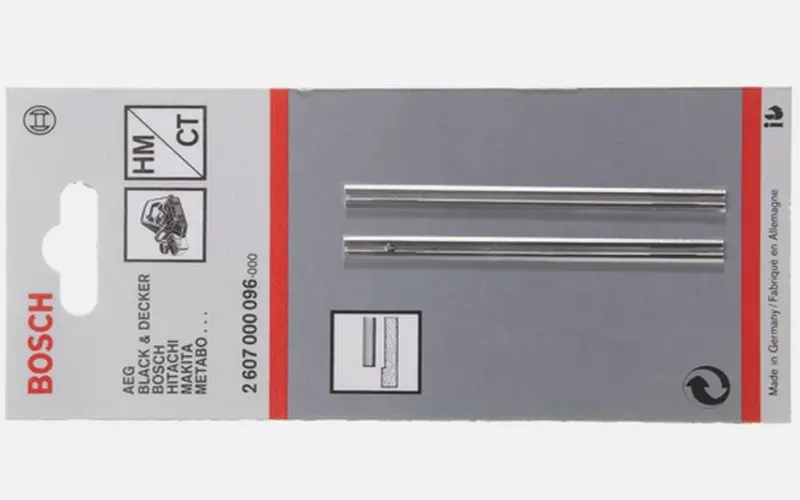
Always have a set of spare blades on hand. Even the most durable carbide blades will eventually wear out, and there’s nothing worse than being halfway through a project and realizing your blades are toast. Most planers allow for easy blade replacement, so you can change them quickly and get back to work.
2. Edge Guide
An edge guide helps you make straight, even cuts along the edges of your wood. This is especially useful if you’re planing doors or trimming boards to a specific width. Many planers come with an edge guide, but if yours doesn’t, it’s worth picking one up as an add-on.
3. Depth Gauge
If you’re planing wood to a precise thickness, a depth gauge is invaluable. It allows you to measure the depth of your cuts accurately and ensures a uniform thickness across the entire surface.
4. Planer Stand or Workbench
While you can certainly use your electric planer on a standard workbench, having a dedicated planer stand can make your life a lot easier. These stands provide better stability and often come with built-in clamps and guides to keep your workpiece secure.
5. Dust Extraction System
If your planer doesn’t come with a dust bag or vacuum attachment, consider investing in a dust extraction system. Keeping your workspace clean isn’t just about aesthetics—it’s also important for safety and ensuring you can see what you’re doing. A cloud of dust is nobody’s friend, especially when there’s a spinning blade involved.
Wrapping Up
An electric planer is a game-changer for any DIY enthusiast who wants to take their woodworking skills to the next level. Whether you’re building a new table, trimming a door, or simply smoothing out a few boards, this powerful tool can help you achieve professional-looking results with ease.