
The Most Common Causes in UK Homes
Table of Contents
Damp patches on internal walls are one of the most common — and most misunderstood — problems in UK homes.
At first, it might look like a small cosmetic issue: a faint stain, a bit of peeling paint, or a slightly darker patch on the wall. But in many cases, what you’re seeing is just the visible symptom of a deeper problem.
Left untreated, damp can lead to mould growth, structural damage, and expensive repairs.
The key is understanding what’s actually causing it — because not all damp is the same.
Why Damp Patches Appear on Internal Walls
Damp occurs when excess moisture enters or builds up inside your property. That moisture then becomes trapped within walls, plaster, or insulation.
In UK homes, this typically happens for one of three reasons:
- Condensation (internal moisture build-up)
- Penetrating damp (water coming in from outside)
- Rising damp (moisture moving up from the ground)
Each has different causes — and different solutions.
1. Condensation: The Most Common Cause

It happens when warm, moist air meets a cold surface — such as an external wall.
Common sources of indoor moisture include:
- Cooking
- Showering
- Drying clothes indoors
- Breathing (yes, even this contributes)
Instead, it settles on walls — especially in colder areas like corners, behind furniture, or around windows.
Signs of Condensation Damp:
- Black mould spots (often in corners)
- Damp patches that worsen in winter
- Water droplets on windows
- Musty smell
This type of damp is often linked to other issues, such as poor airflow after window replacements or overly sealed homes.
2. Penetrating Damp: Water Coming Through Walls
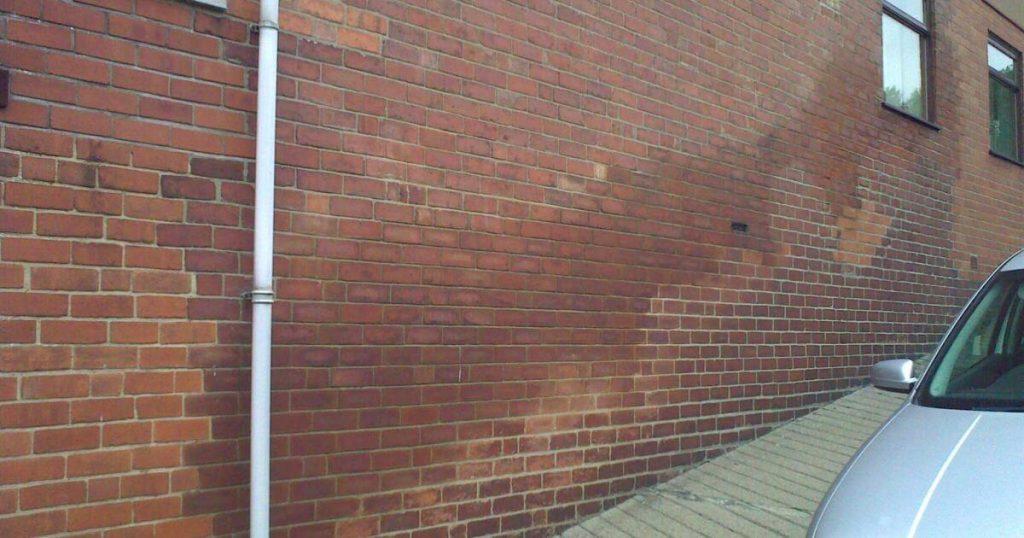
Penetrating damp occurs when water enters your home from the outside.
This is usually caused by defects in the building structure.
Common causes include:
- Cracked brickwork
- Damaged pointing (mortar between bricks)
- Faulty guttering or downpipes
- Leaking roofs
- Poorly sealed windows
Unlike condensation, penetrating damp often appears as isolated patches on walls — and it tends to get worse after rain.
Signs of Penetrating Damp:
- Damp patches that darken during wet weather
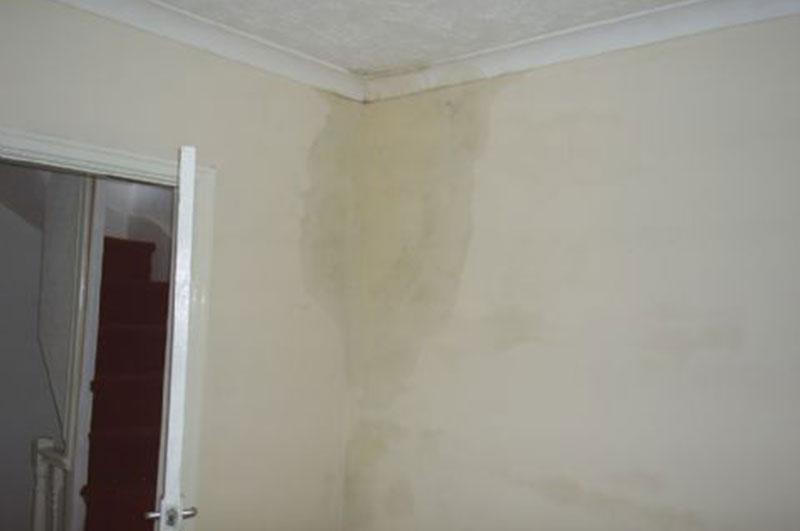
- Staining on walls or ceilings
- Blistering or peeling paint
- Damp in specific areas rather than throughout the room
If ignored, this can lead to deeper structural issues.
3. Rising Damp: Less Common — But Serious
In modern UK homes, condensation is by far the most frequent reason for damp patches.
Rising damp is often discussed — but less common than many people think.
It occurs when moisture from the ground travels upward through walls via capillary action.
This usually happens when:
- The damp proof course (DPC) is damaged or missing
- Ground levels outside are too high
- Moisture is bridging the DPC
Signs of Rising Damp:
When ventilation is poor, this moisture has nowhere to go.

- “Tide marks” on walls (typically up to 1 metre high)
- White powder deposits (salts) on plaster
- Crumbling skirting boards
- Damp confined to lower sections of walls
Rising damp requires proper diagnosis — and often professional treatment.
The Hidden Causes Most Homeowners Miss
In many cases, damp is not caused by one issue — but a combination of factors.
Here are some commonly overlooked causes of damp patches:
🔹 Blocked Air Bricks
Air bricks allow ventilation under floors. If they are blocked by soil, debris, or landscaping, moisture can build up and affect internal walls.
🔹 Poor Insulation
Cold walls attract condensation. If insulation is missing or uneven, certain areas become moisture magnets.
🔹 Furniture Placement
Placing furniture tightly against external walls restricts airflow, creating damp patches behind wardrobes and sofas.
🔹 Modern “Sealed” Homes
Energy-efficient upgrades — like double glazing or insulation — can reduce natural ventilation if not balanced properly.
This is why damp problems are increasingly common in newer or recently upgraded homes.
How to Identify the Real Cause
Before fixing damp, you need to diagnose it correctly.
Ask yourself:
- Does it appear after rain? → Likely penetrating damp
- Is it worse in winter? → Likely condensation
- Is it only near the floor? → Possibly rising damp
Also consider:
- When did it start?
- Has any recent work been done (windows, insulation, roofing)?
Getting this right is crucial — because treating the wrong problem won’t solve anything.
How to Fix Damp Patches
The solution depends entirely on the cause.
✔ Fixing Condensation
Focus on reducing indoor moisture and improving airflow:
- Open windows regularly
- Use extractor fans
- Install or use trickle vents
- Use a dehumidifier
- Avoid drying clothes indoors
Even small changes can significantly reduce condensation.
✔ Fixing Penetrating Damp
Address the external issue:
- Repair damaged brickwork
- Repoint mortar joints
- Fix gutters and downpipes
- Seal around windows properly
This stops water entering the structure.
✔ Fixing Rising Damp
This may involve:
- Repairing or installing a damp proof course
- Lowering external ground levels
- Specialist treatments
Professional advice is often required here.
Why You Shouldn’t Ignore Damp
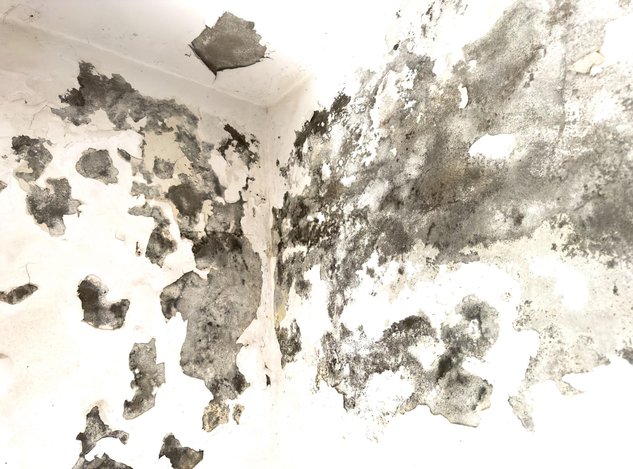
Damp is not just a cosmetic issue.
If left untreated, it can lead to:
- Mould growth (linked to respiratory problems)
- Damage to plaster, paint, and décor
- Timber decay (in floors and structures)
- Reduced property value
More importantly, the longer it’s ignored, the more expensive it becomes to fix.
Prevention: The Smart Approach
Preventing damp is far easier than repairing it.
Key principles:
- Maintain good ventilation
- Keep gutters and brickwork in good condition
- Avoid blocking airflow (inside and outside)
- Monitor humidity levels in your home
Think of your home as a system — not just a structure.
Moisture needs to move and escape.
The Bottom Line
Damp patches on internal walls are common in UK homes — but they are never random.
There is always a cause.
The three main ones are:
- Condensation (most common)
- Penetrating damp (external defects)
- Rising damp (ground moisture)
Understanding which one you’re dealing with is the key to solving it.
For DIY homeowners, the takeaway is simple:
Don’t just treat the symptom — find the source.
Because with damp, covering it up is easy…
…but fixing it properly is what protects your home long-term.