
Air Bricks – The Hidden Cause of Damp and Rot in UK Homes
Table of Contents
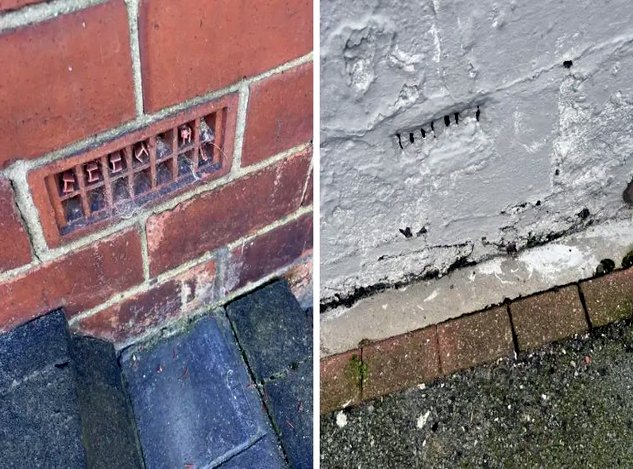
They’re small, easy to ignore, and often forgotten — but they play a critical role in keeping your home dry and structurally sound.
When they become blocked or restricted, the consequences can be serious.
From damp internal walls to rotting floor timbers, poor airflow beneath your home can quietly lead to expensive damage.
What Are Air Bricks — and Why Do They Matter?

Air bricks are small vents built into external walls, usually just above ground level.
Their job is simple but essential:
👉 To allow air to circulate beneath suspended floors
Without it, damp conditions develop — often without any obvious warning signs.
Why Air Bricks Get Blocked
In many cases, blocked air bricks are not the result of neglect — but of gradual changes around the property.
Common causes include:
🔹 Raised Ground Levels
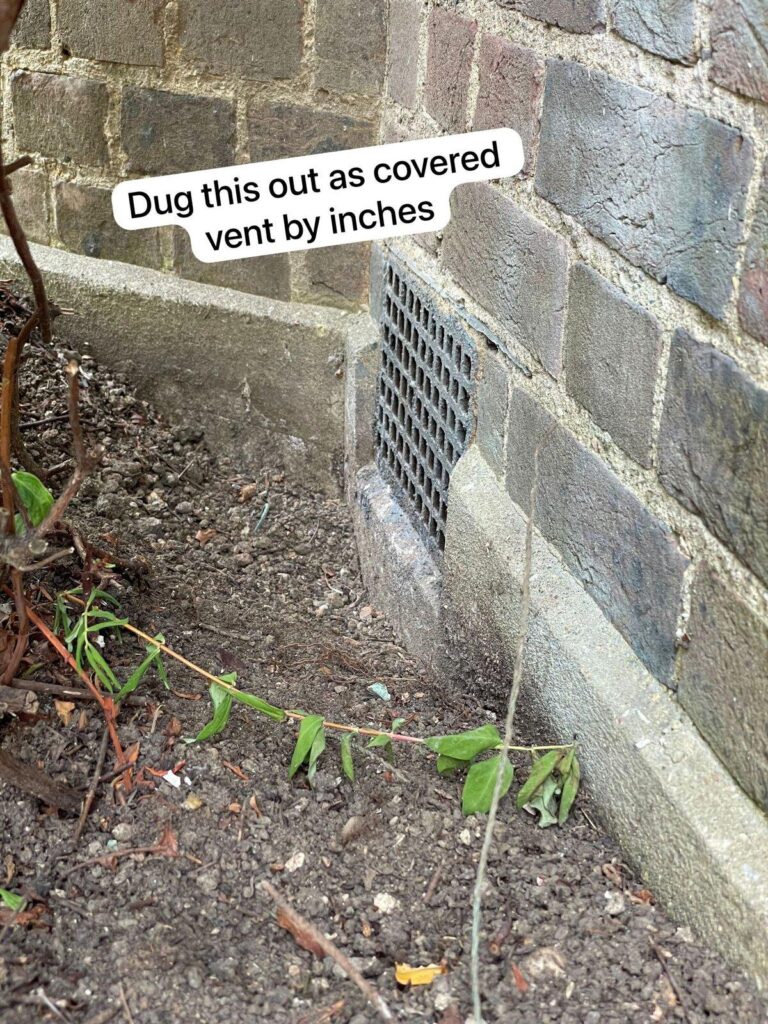
Over time, soil, paving, or driveways may be raised above the level of the air bricks.
This can partially or completely block airflow.
🔹 Garden Landscaping
Flower beds, grass, or decorative features are often placed directly in front of vents.
While they may look tidy, they can restrict ventilation significantly.
🔹 Debris and Dirt
Leaves, mud, and general debris can accumulate in and around air bricks — especially in older properties.
🔹 Poor Renovation Work
External insulation, rendering, or paving projects sometimes overlook ventilation entirely.
In some cases, air bricks are accidentally covered or sealed.
What Happens When Air Bricks Are Blocked?
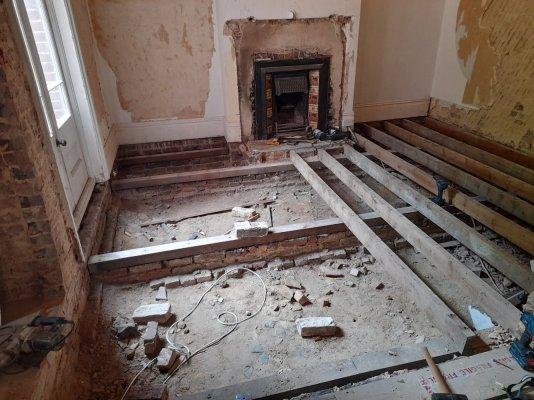
When airflow beneath your home is restricted, moisture has nowhere to go.
Instead, it builds up in the subfloor area.
This leads to a range of problems:
💧 Damp Internal Walls
Moisture can rise into walls, leading to damp patches, peeling paint, and mould.
👉 This links directly to your internal damp post.
🪵 Rotting Floor Joists
Timber floor structures rely on dry conditions.
Without ventilation, they remain damp — leading to:
- Wood decay
- Structural weakening
- Costly repairs
🦠 Mould Growth
Damp, stagnant air creates ideal conditions for mould.
This can affect air quality inside the home.
🧊 Cold, Uncomfortable Floors
Moisture and poor airflow make floors feel colder — even with heating on.
Why This Problem Is Often Missed
Blocked air bricks are easy to overlook for several reasons:
- They are outside and low to the ground
- The effects appear inside the home
- Symptoms mimic other damp problems
Many homeowners treat the symptoms — repainting walls or using dehumidifiers — without addressing the underlying cause.
Warning Signs to Look For

If your air bricks are blocked, you may notice:
- Damp patches on lower walls
- Musty smells, especially near floors
- Cold or slightly springy floorboards
- Mould forming at low levels
- Increased humidity indoors
Externally, check for:
- Air bricks covered by soil or paving
- Debris lodged in vents
- Reduced or no visible airflow
How to Check Your Air Bricks
A simple inspection can reveal a lot.
Walk around your property and:
- Locate all air bricks (usually near ground level)
- Check if they are fully visible and unobstructed
- Look for signs of blockage or covering
You should be able to see clear openings — not soil, concrete, or debris.
How to Fix Blocked Air Bricks
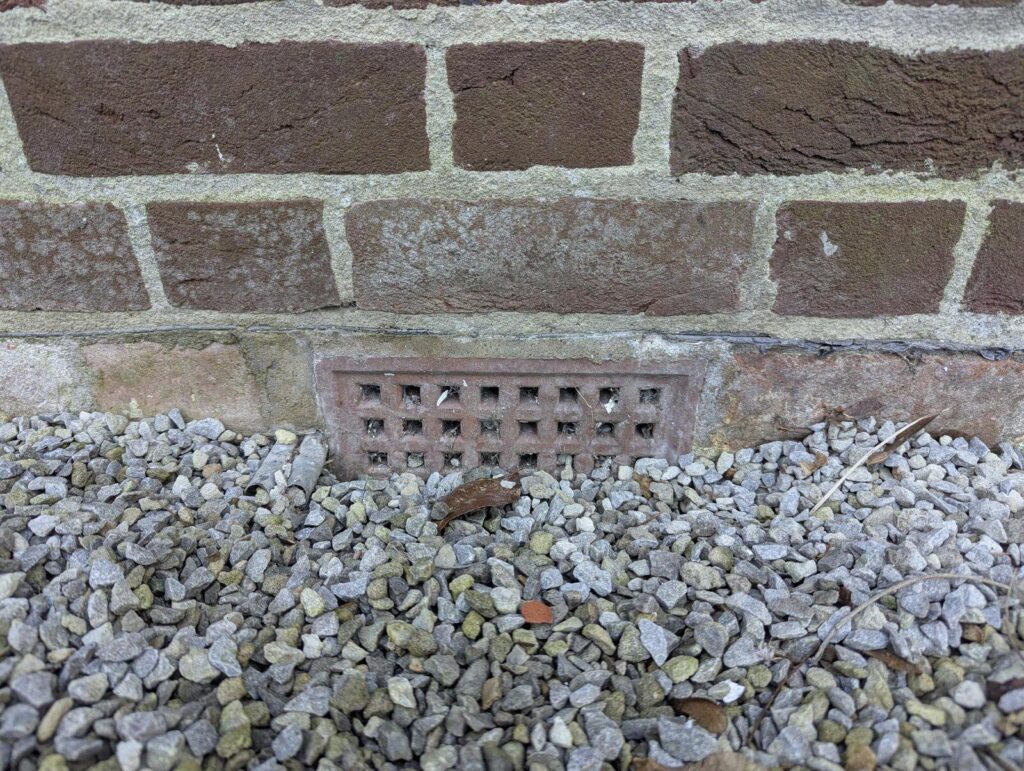
The good news is that in many cases, this is a relatively simple problem to fix.
✔ Clear Debris
Remove dirt, leaves, and any visible obstructions.
A stiff brush or vacuum can help.
✔ Lower Ground Levels
If soil or paving is too high, it may need to be reduced to expose the air brick fully.
✔ Install Air Brick Extensions
If ground levels cannot be lowered, plastic or telescopic extensions can be used to raise the airflow path.
✔ Improve Subfloor Ventilation
In some cases, additional air bricks may be needed to improve airflow across the entire subfloor area.
Prevention: Avoiding Future Problems

To prevent blocked air bricks:
- Keep vents clear during garden maintenance
- Avoid placing soil or materials against external walls
- Check airflow regularly
- Be cautious during landscaping or renovations
How This Connects to Other Damp Issues
Blocked air bricks are often part of a bigger picture.
They can contribute to:
- Damp internal walls
- Condensation problems
- Floor and structural issues
👉 This is why your content cluster is so powerful.
Each article supports the others, helping homeowners understand the full system.
When to Take It Seriously
You should act quickly if you notice:
- Persistent damp near floors
- Signs of timber decay
- Strong musty smells
- Multiple damp-related issues in the same area
Ignoring the problem allows moisture to continue building — and damage to worsen.
The Bottom Line
Air bricks may be small, but their role is critical.
When they are blocked, your home loses one of its key defence systems against moisture.
The result is often hidden at first — but increasingly damaging over time.
For UK homeowners, the lesson is simple:
Ventilation is just as important as insulation.
Because when airflow stops…
…damp takes over.
Related UK Home Problems
- Why Your Brickwork Is Cracking Above Windows
- Spray Foam Insulation Problems in the UK
- Damp Around Windows After Replacement
- Blocked Air Bricks
- Cavity Wall Insulation Problems