
The DIY Enthusiast’s Guide to Buying and Using an Electric Angle Grinder: Sparks, Shaping, and Serious Versatility
When it comes to power tools that make sparks fly—literally—few beat the electric angle grinder. A powerhouse for cutting, grinding, and shaping, this tool lets the DIY enthusiast tackle tough materials like metal, masonry, and even tile. Angle grinders are versatile, satisfying to use, and incredibly effective when you know what you’re doing. And with both corded and battery-powered options available, there’s a grinder out there for everyone.
Table of Contents
So, let’s dig into everything you need to know about angle grinders, from selecting the right model to understanding the essential accessories that can make it even more powerful. And don’t worry—we’ll keep it witty, because who said power tools can’t be a bit of fun?
What is an Angle Grinder and Why Do You Need One?
The electric angle grinder is a handheld tool with a rotating abrasive disc or wheel, perfect for tasks like cutting, grinding, polishing, and finishing. Whether you’re looking to cut through metal like it’s butter or grind down rough edges on concrete, the angle grinder is your go-to tool.
For the DIYer, an angle grinder is ideal for projects that involve metalworking, plumbing, construction, and even some arts and crafts. Unlike other tools that are purpose-built, the angle grinder is the jack-of-all-trades in the power tool lineup—if it’s rough, hard, or stubborn, the angle grinder is the tool to tame it.
Corded vs. Battery-Powered: Which is Right for You?
Before you dive into brands, models, or disc types, the first question to ask is whether you want a corded or battery-powered angle grinder. Both have their pros and cons, so let’s take a look.
Corded Angle Grinders
Corded angle grinders run off mains electricity, which means they offer consistent, high power and don’t need to be recharged. This makes them ideal for longer, more demanding jobs. Since they’re always plugged in, you won’t have to worry about the battery dying mid-cut. However, the obvious downside is that they’re tethered to an outlet, which can limit your movement.
Corded models are often slightly more powerful, with motors typically in the range of 5-10 amps, depending on the model. This makes them a solid choice if you’re working on tougher materials, like heavy-duty steel or masonry.
Battery-Powered Angle Grinders
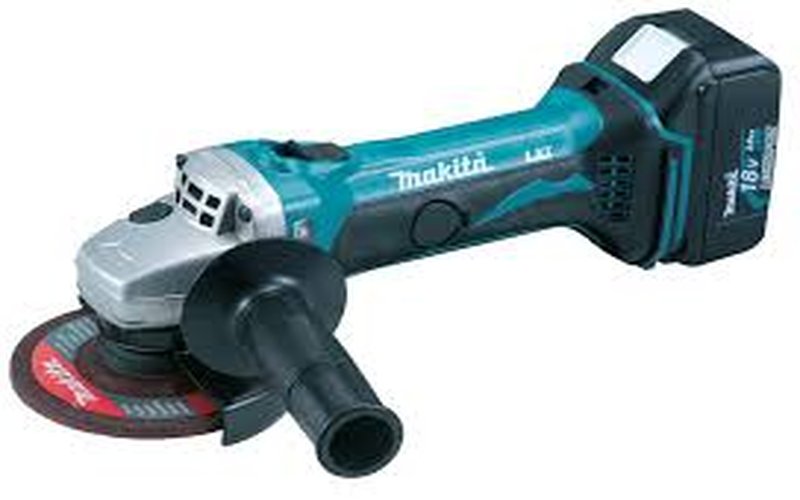
Battery-powered angle grinders are the new kids on the block. Thanks to advances in lithium-ion batteries, these models are catching up to their corded counterparts in terms of power. A battery-powered angle grinderoffers the flexibility to work anywhere without needing an extension cord.
While battery-powered models offer more freedom, they do have limited run-time (usually around 20–30 minutes per charge, depending on the model and battery capacity). If you’re planning an all-day grinding session, consider having a second battery charged and ready to change.
In general, if portability and freedom of movement are your top priorities, go for the battery-powered option. But if you’re planning to grind or cut thicker materials and want power for the long haul, stick with a corded grinder.
Key Features to Look For in an Electric Angle Grinder
Now that you’ve chosen between corded and cordless, let’s take a look at some important features that will make your angle grinder easier and safer to use.
1. Disc Size
The disc size determines the grinder’s cutting capacity and the types of projects it can handle. The most common disc size for DIYers is 4 -1/2 inches, which offers a good balance between power and control. For larger, more intensive jobs, you can find grinders with 7- or 9-inch discs, though they’re heavier and harder to manoeuvre.
2. Motor Power
Angle grinders come with a range of motor power ratings, typically measured in amps (for corded models) or volts (for cordless). For general-purpose DIY use, an angle grinder with a 5 to 7-amp motor (corded) or a 20-volt battery (cordless) will cover most tasks.
More power is beneficial if you’re grinding or cutting tough materials, but for lighter jobs, excessive power can be overkill and even make the tool harder to control.
3. Speed Control
Not all angle grinders come with variable speed settings, but this feature can be a game-changer. If you’re working with different materials (say, wood one day and metal the next), adjusting the speed allows for better control and a more precise finish. Lower speeds are great for polishing and sanding, while higher speeds are ideal for cutting and grinding.
4. Ergonomics
Angle grinders can be tiring to hold for extended periods, so ergonomics matter. Look for a model with a comfortable grip, preferably with a rubberized handle for added control. Some grinders come with a side handle that can be attached on either side, making it easier for both left- and right-handed users to operate.
5. Safety Features
Safety is a top priority, especially with a tool that produces sparks. Look for an angle grinder with a safety guard to protect against flying debris and a lock-off switch to prevent accidental activation. Some models also come with anti-vibration technology, which reduces fatigue and improves control.
Accessories: The Unsung Heroes of Angle Grinding
Your angle grinder’s capabilities can be significantly expanded with the right accessories. Here are some essentials every DIYer should consider.
1. Grinding Discs
Grinding discs are designed to smooth surfaces, remove rust, and strip paint. They’re typically made from aluminum oxide or other abrasives. Be sure to match the disc to the material you’re working on—there are different discs for metal, stone, and concrete.
2. Cutting Discs
Cutting discs are thinner than grinding discs and are designed specifically for cutting through metal, tile, or concrete. Always use the right disc for the job, and never use a grinding disc for cutting, as it can break under pressure.
3. Flap Discs
Flap discs are great for sanding and finishing. They’re made up of overlapping abrasive “flaps” that smooth surfaces without leaving scratch marks. Perfect for fine-tuning metal surfaces or polishing up wood.
4. Wire Wheels and Brushes
Wire wheels and brushes can be attached to your angle grinder to remove rust, paint, or hardened grime. A wire brush attachment is also useful for cleaning up welds and metal surfaces.
5. Diamond Blades
Diamond blades are made for cutting hard materials like stone, tile, and masonry. While pricier than regular blades, they’re durable and make precise cuts in otherwise stubborn materials.
6. Batteries and Chargers (For Cordless Models)
For battery-powered grinders, having spare batteries on hand can make all the difference on longer projects. Look for high-capacity batteries, like 4.0Ah or 5.0Ah lithium-ion models, which provide longer run times. A fast charger is also worth the investment if you want to minimize downtime.
Using Your Angle Grinder: Tips for Success
Whether you’re new to angle grinders or looking to level up your skills, here are some tips for using this powerful tool effectively—and safely.
1. Check the Disc and Tool Compatibility
Before you start, make sure the disc is compatible with your grinder model. Using the wrong disc can lead to poor performance or even accidents. Also, check the disc’s maximum speed rating—ensure it matches or exceeds your grinder’s top speed.
2. Mind the Sparks
Angle grinders throw sparks—sometimes lots of them. Always work in a well-ventilated area and keep flammable materials far away. A spark guard will direct sparks away from your hands and face, but wearing protective gear is essential.
3. Let the Tool Do the Work
It might be tempting to press down hard on the grinder to speed things up, but let the tool’s speed and power do the work. Pushing too hard can strain the motor and increase the risk of accidents.
4. Start Slow and Build Control
For beginners, it’s wise to practice on scrap materials before moving to your main project. Angle grinders can feel powerful, and mastering control will help you achieve a smoother finish.
5. Keep Your Workspace Clean
Grinding and cutting create a lot of dust and debris, which can affect visibility and make the environment hazardous. Clear your area of obstacles and regularly sweep up debris to keep your workspace safe.
Wrapping Up: Sparking a Passion for Grinding
An electric angle grinder is the ultimate tool for DIYers who want to cut, grind, polish, and shape their way to project perfection. Whether you choose a corded or cordless model, having the right attachments and a bit of practice will open a world of creative possibilities. So, go on—let the sparks fly, grind your way to greatness, and tackle those projects with confidence. After all, when you’ve got an angle grinder in hand, there’s no limit to what you can achieve.