
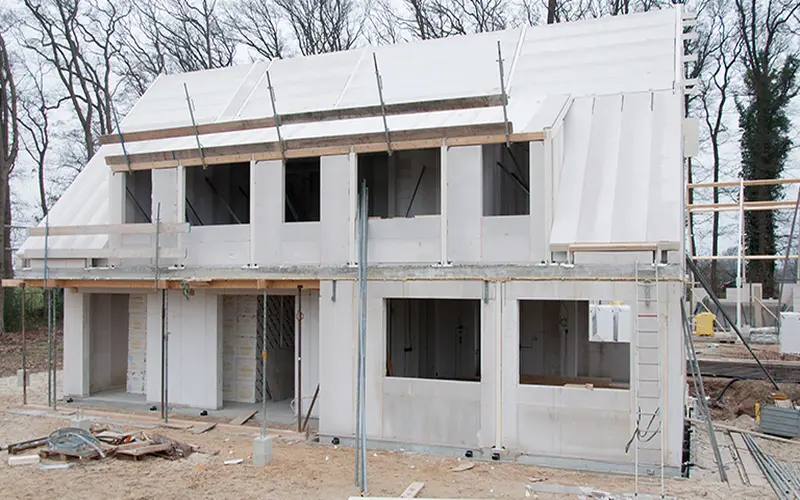
The Uses of Aircrete And How To Work With It.
Aircrete, the lightweight, foamed alternative to traditional concrete, is steadily gaining popularity among DIY enthusiasts and eco-conscious builders. Its unique properties—lightweight, excellent insulation, and ease of manipulation—make it a go-to material for innovative building projects. In this comprehensive guide, we’ll explore the many uses of aircrete, detail how to work with it and highlight where it can replace traditional concrete in DIY projects.
Table of Contents
What is Aircrete?
Aircrete is essentially aerated concrete, created by mixing cement slurry with a stable foam. The addition of foam introduces air bubbles, making the material much lighter than regular concrete. Despite its reduced density, aircrete maintains enough strength for many applications, particularly where heavy loads or structural integrity aren’t the primary concerns.
Key Properties of Aircrete:
- Lightweight: Approximately 1/3 the weight of traditional concrete.
- Insulating: Excellent thermal and sound insulation properties.
- Eco-Friendly: Requires less raw material and reduces waste.
- Workable: Easy to cut, shape, and mold with basic tools.
- Affordable: Uses less cement, saving on material costs.
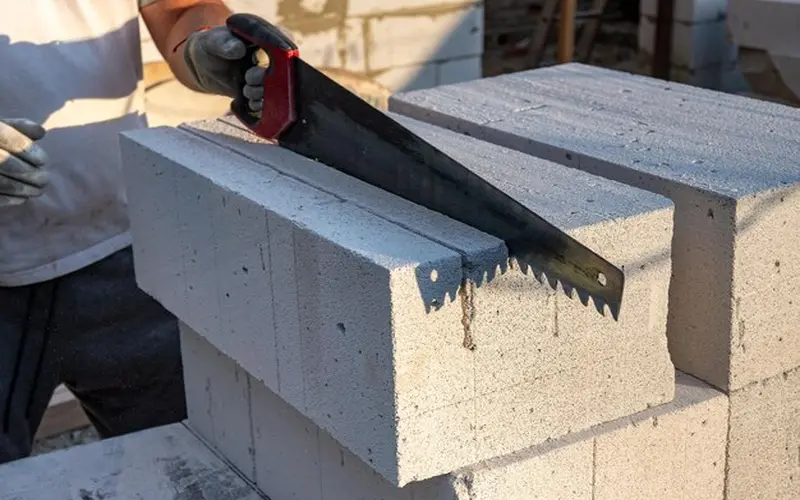
Uses of Aircrete in DIY Projects
Aircrete’s versatility allows it to replace traditional concrete in many non-structural and semi-structural applications. Here are some of the most common uses:
1. Wall Panels and Partition Walls
Aircrete’s lightweight nature makes it an ideal choice for interior partition walls. Its insulation properties also help regulate indoor temperatures, making it energy-efficient.
2. Fence Panels
For fencing, aircrete panels provide a lightweight, cost-effective solution. They’re easy to shape and can be reinforced for added durability.
3. Building Blocks

DIYers can create lightweight aircrete blocks for use in small buildings, sheds, or garden structures. These blocks are easier to handle and install than traditional concrete blocks.
4. Garden Features
Aircrete is perfect for crafting planters, decorative walls, and garden furniture. Its light weight allows for easy repositioning, and it can be finished with paint or sealant for added durability.
5. Roof Insulation Panels
Due to its excellent thermal insulation properties, aircrete can be used to create roof panels that help reduce heat transfer and lower energy costs.
6. Floor Underlayment
Aircrete’s lightweight and insulating properties make it suitable for floor underlayment, reducing sound transmission and improving thermal insulation.
7. Furniture
Lightweight tables, chairs, and benches can be made from aircrete for both indoor and outdoor use. It’s easy to mould and shape, offering endless design possibilities.
How to Work with Aircrete
Materials Needed:
- Cement: Ordinary Portland cement.
- Foam Generator: To produce stable foam for the mix.
- Liquid Detergent or Foaming Agent: High-foaming detergents work well.
- Water: Clean water for mixing.
- Mixing Tools: A drill with a paddle attachment or a cement mixer.
Step-by-Step Guide:
- Prepare the Cement Slurry:
- Mix cement and water in a 2:1 ratio (2 parts cement to 1 part water). Ensure the slurry is lump-free by using a drill mixer or similar tool.
- Generate Foam:
- Dilute liquid detergent (1 part detergent to 40 parts water) and use a foam generator to create stable foam. The foam should hold its shape without collapsing.
- Combine Foam and Slurry:
- Gradually fold the foam into the slurry, maintaining the desired consistency. Ensure the mixture is uniform to avoid weak spots.
- Pour and Shape:
- Pour the aircrete mixture into moulds or forms. For DIY projects, moulds can be made from wood, plastic, or metal.
- Curing:
- Allow the aircrete to cure slowly, keeping it covered with plastic sheeting to retain moisture. Curing typically takes 3-7 days, depending on thickness and conditions.
- Finishing:
- Once cured, aircrete can be sanded, cut, or shaped as needed. Apply sealants or paint for added durability and aesthetics.
Strength Comparison: Aircrete vs. Traditional Concrete
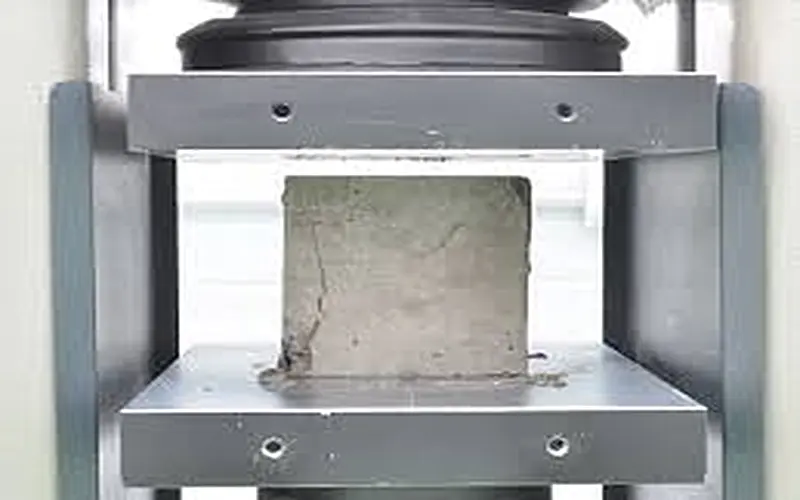
While aircrete is not as strong as traditional concrete, it offers sufficient strength for many DIY applications. Reinforcement with mesh or fibres will improve its performance.
Table 1: Strength Comparison of Aircrete and Traditional Concrete
| Application | Compressive Strength Needed (MPa) | Suitable Material |
|---|---|---|
| Interior Partition Walls | 1-3 | Aircrete |
| Garden Planters | 1-2 | Aircrete |
| Fencing Panels | 2-5 | Aircrete with mesh |
| Load-Bearing Walls | 20-40 | Traditional Concrete |
| Roof Panels | 1-3 | Aircrete |
Advantages of Aircrete Over Traditional Concrete
1. Ease of Handling
Aircrete is significantly lighter, making it easier to transport, position, and install without heavy equipment.
2. Thermal Efficiency
Aircrete’s insulating properties make it ideal for energy-efficient construction.
3. Cost-Effectiveness
Aircrete uses less cement, reducing overall material costs.
4. Customizability
Aircrete can be moulded and shaped into intricate designs, offering more versatility than traditional concrete.
Aircrete vs. Concrete: Applications and Limitations
Table 2: Where Aircrete Can Replace Traditional Concrete
| Project | Aircrete Suitable? | Concrete Required? |
| Garden Walls | Yes | No |
| Driveways | No | Yes |
| Insulation Panels | Yes | No |
| Outdoor Furniture | Yes | No |
| Foundations | No | Yes |
Weight and Strength Comparisons
Table 3: Weight Comparison of Materials
| Material | Weight (kg/m³) |
| Aircrete | 400-800 |
| Traditional Concrete | 2400 |
| Styrocrete | 300-600 |
Table 4: Compressive Strength Comparison
| Material | Compressive Strength (MPa) |
| Aircrete | 1-5 |
| Traditional Concrete | 20-40 |
| Styrocrete | 1-3 |
Tips for Successful Aircrete Projects
- Use High-Quality Foam: Ensure the foam is stable and consistent for better results.
- Reinforce When Needed: For fencing panels or other semi-structural uses, embed mesh reinforcement.
- Seal for Durability: Apply a waterproofing agent or paint to protect aircrete from moisture.
- Experiment: Start with small projects to perfect your technique before tackling larger builds.
Final Thoughts
Aircrete is a game-changer for DIY enthusiasts looking to create lightweight, insulating, and cost-effective structures. While it can’t fully replace traditional concrete for heavy-duty applications, its versatility and ease of use make it an invaluable material for many projects. With a little practice and creativity, aircrete can open up a world of possibilities for your next build!