
Practical Styrocrete Projects Around the Home and Workshop
Table of Contents
By now you’ve learned what Styrocrete is, how to make it, choose the right mix, pour it and cure it successfully.
The obvious question now is:
What can I actually build with it?
The answer is probably more than you think.
Styroctete projects
Floor Insulation
Probably the most common use.
A lightweight insulating layer beneath a concrete floor reduces heat loss while adding very little structural load.
It isn’t the finished floor.
It’s the insulating layer beneath it.
Roof Insulation
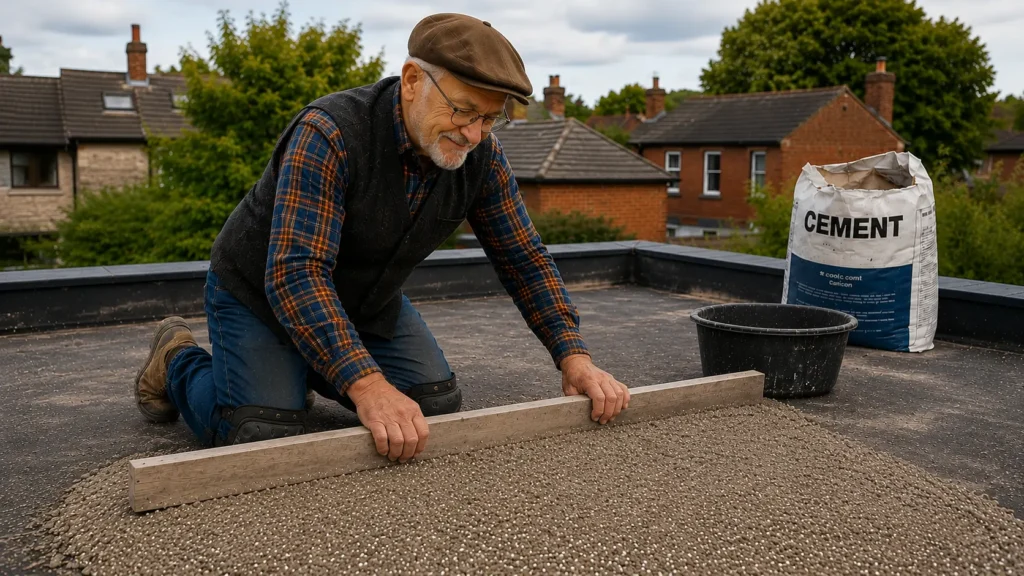
Flat roofs can often benefit from a lightweight insulating screed.
The reduced weight places less load on the structure than conventional concrete.
More Styrocrete Projects: Filling Redundant Voids
Old chimneys.
Unused cellars.
Abandoned pipe trenches.
Styrocrete is ideal where strength isn’t the primary concern but filling space economically is.
Raised Floors
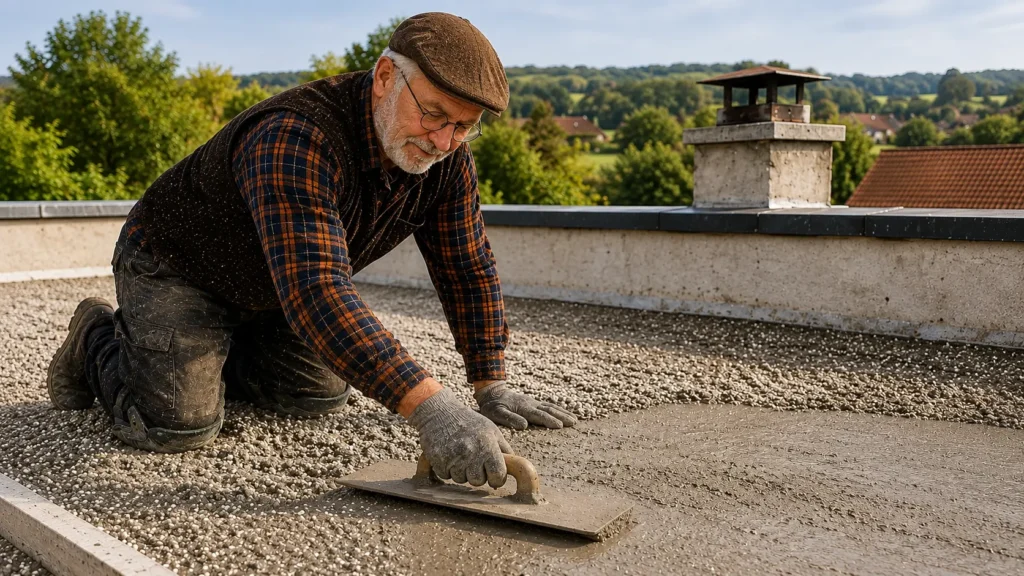
Older buildings often have uneven floors.
Styrocrete can help level them without adding the weight of a full concrete slab.
Garden Styrocrete Projects
Bench bases.
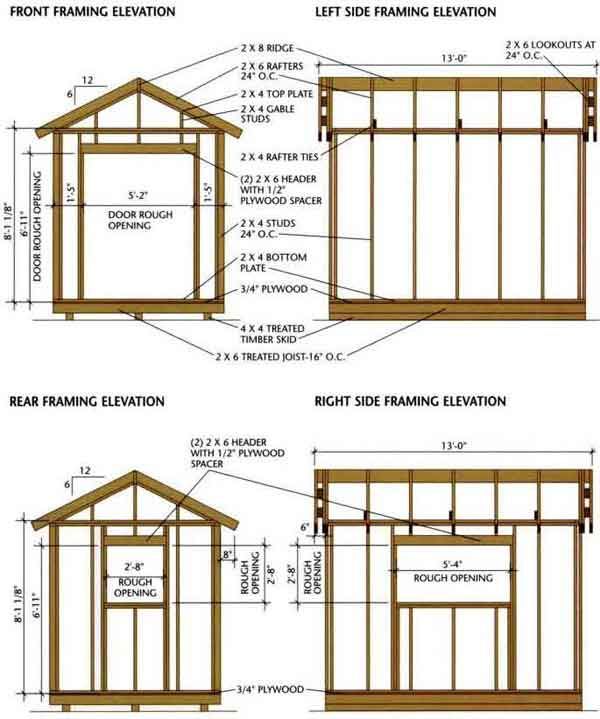
Lightweight foundations for sheds.
Because it’s easy to make, it’s ideal for DIY projects.
Workshop Projects
This is where the fun starts.
Think about:
- machine plinths
- lightweight workbenches
- equipment bases
- insulated work surfaces
You don’t always need massive concrete blocks.
Caravan and Cabin Floors
Weight matters.
Styrocrete offers insulation without the penalty of conventional concrete.
What It Isn’t Good For
Just as important.
Avoid using homemade Styrocrete for:
- structural beams
- heavily loaded driveways
- reinforced structural slabs
- suspended floors carrying significant loads
Understand its limitations.
Use it where it excels.
Can It Be Sprayed?
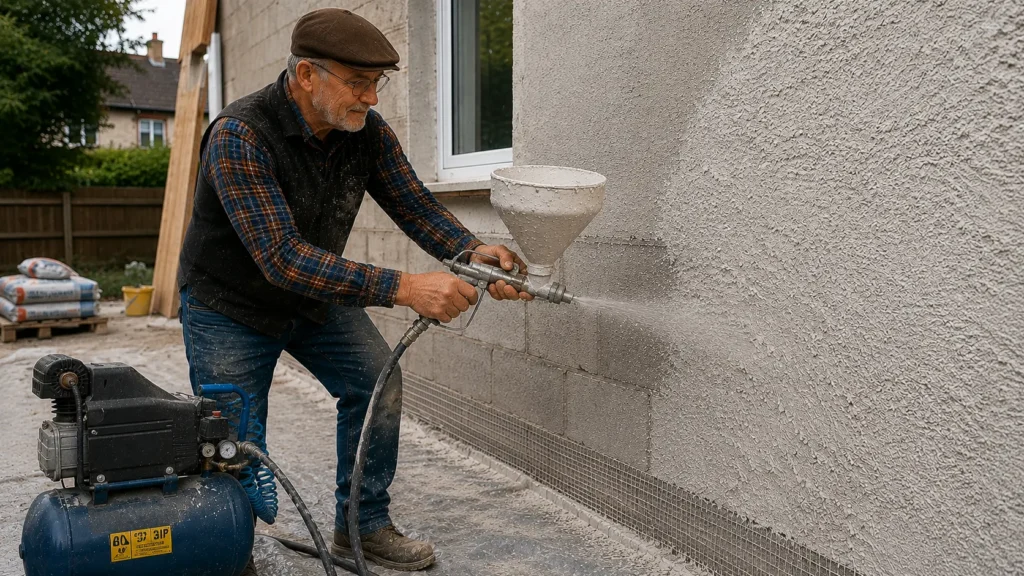
Lightweight cement mixes are often used for insulating renders and stucco.
However, homemade Styrocrete isn’t ideal for spraying. The irregular recycled polystyrene pieces tend to clog pumps, hoses and spray nozzles.
If your aim is to spray an insulating coating onto walls, aircrete is usually a much better choice because the foam creates a smooth, uniform mix and whilst additives can e used, it can usually be sprayed with no large particles.
I have added wood flour to aircrete which is the sandings from levelling and sanding wooden floors.
I’ll be covering that process in a future series.
“Read my Aircrete series here…”
Final Thoughts
Styrocrete isn’t intended to replace conventional concrete.
It’s another tool in the workshop.
Used in the right place it can:
- reduce weight
- improve insulation
- save money
- recycle waste polystyrene
- make many DIY projects easier
Understanding where to use it is every bit as important as knowing how to make it.