
Durable & Stylish Garden Fencing Options for Privacy and Wind Resistance.
Best Fencing Options for Gardens:
Table of Contents
A fence is much more than just a border—it’s a vital part of your garden’s design and functionality. Whether you’re looking to create privacy, improve security, or simply add aesthetic appeal, the right fence can transform your outdoor space. This guide covers various garden fencing options, how to protect them against wind damage, and maintenance tips to keep your fence looking great for years to come.
Types of Garden Fencing
1. Wooden Fencing
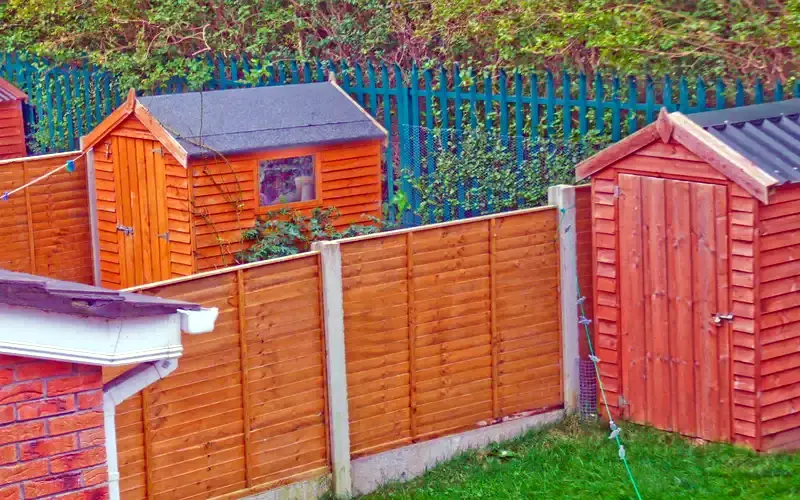
Wooden garden fencing is a classic choice that fits almost any garden style. They provide excellent privacy and natural aesthetics, blending seamlessly with outdoor greenery.
- Styles:
- Closeboard (Featherboard): Great for privacy and durability.
- Picket Fences: Ideal for decorative purposes and open gardens.
- Lattice Panels: Perfect for supporting climbing plants.
- Pros:
- Affordable and versatile.
- Easy to repair and replace individual panels.
- Cons:
- Requires regular maintenance to prevent rot and weathering.
- Maintenance Tips:
- Apply a weatherproof wood stain or preservative every 1–2 years.
- Regularly inspect for loose boards or insect damage.
2. Steel Panel Garden Fencing

Steel fences offer unmatched durability and modern aesthetics. Ideal for security-focused designs, they can also serve as wind-resistant barriers.
- Styles:
- Flat steel panels with a sleek finish.
- Perforated or slatted panels for a contemporary look.
- Pros:
- Low maintenance and weather-resistant.
- Long lifespan compared to wood.
- Cons:
- More expensive than wooden fences.
- Less flexibility for customization.
- Maintenance Tips:
- Apply a rust-proof coating or choose galvanized steel.
- Clean with mild soap and water to maintain the finish.
3. Wrought Iron Garden Fencing
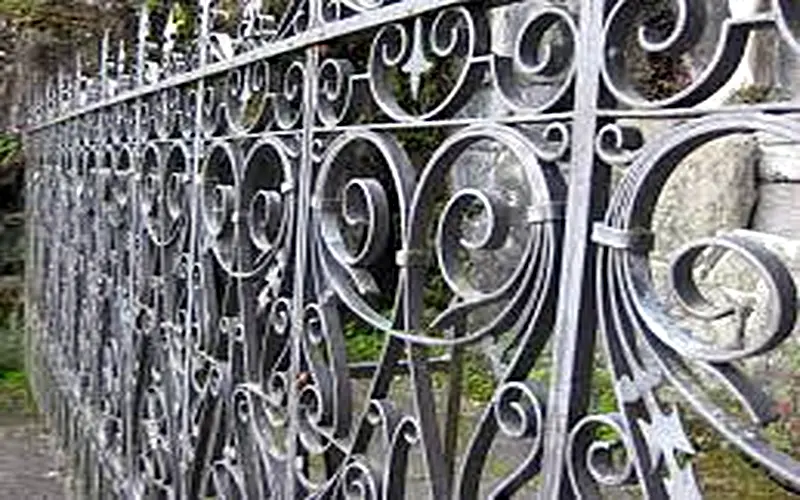
Wrought iron fences add elegance and sophistication to gardens. They’re durable and highly decorative, often used in traditional and luxury garden designs.
- Pros:
- Strong and long-lasting.
- Highly customizable with intricate patterns.
- Cons:
- Provides less privacy compared to solid panels.
- Requires rust protection.
- Maintenance Tips:
- Regularly check for rust and apply paint or rust-resistant treatments.
- Lubricate moving parts like gates.
4. Brick and Stone Wall Garden Fencing
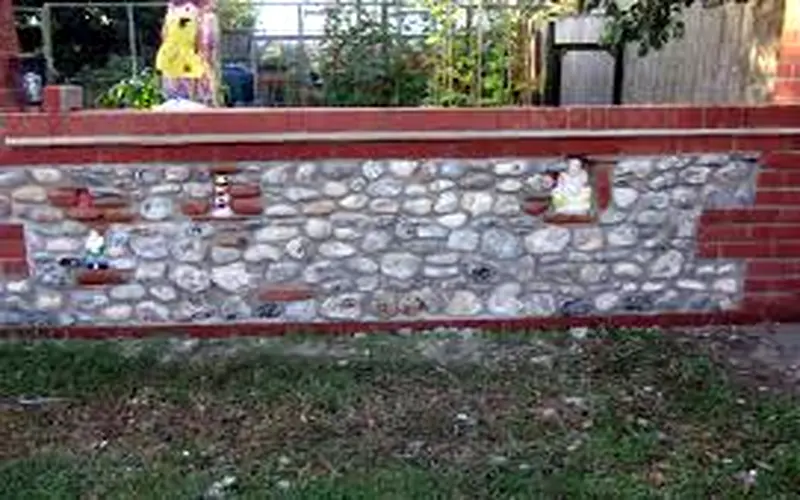
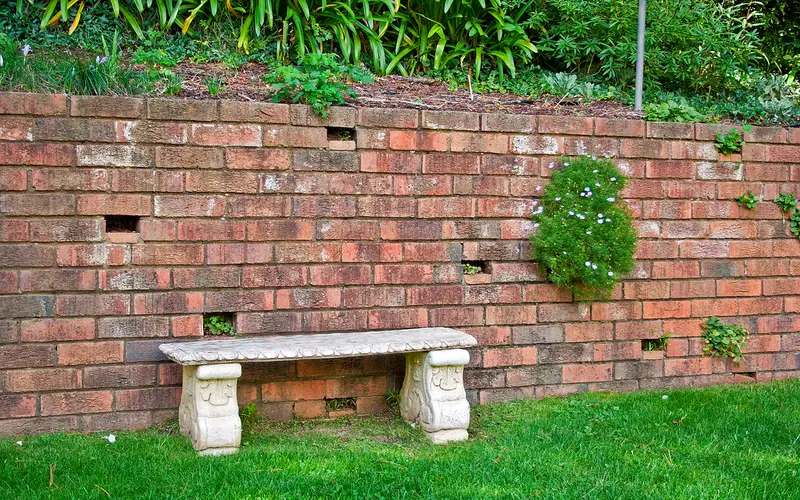
Brick and stone fencing is a timeless choice for durability and weather resistance. These fences are ideal for gardens in windy or storm-prone areas.
- Pros:
- Highly durable and weatherproof.
- Offers excellent sound insulation.
- Cons:
- Expensive and labor-intensive to install.
- Requires a strong foundation to prevent settling.
- Maintenance Tips:
- Inspect for cracks and repair mortar joints as needed.
- Clean with a mild detergent to remove algae or stains.
5. Composite Garden Fencing
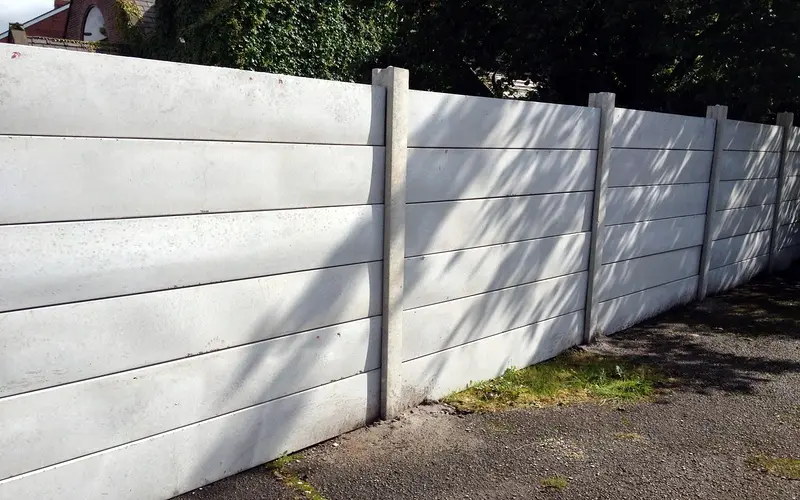
Composite fences are made from a blend of wood and plastic, offering a low-maintenance and eco-friendly option for modern gardens.
- Pros:
- Resistant to rot, insects, and UV damage.
- Available in a variety of colors and textures.
- Cons:
- Higher upfront cost.
- Limited customizability.
- Maintenance Tips:
- Clean with water and a mild detergent.
- Avoid using abrasive tools that can scratch the surface.
Installing Fences for Wind Resistance
A strong wind can wreak havoc on poorly installed fences. Here are some tips to ensure your fence stands up to the elements:
- Choose Wind-Friendly Designs:
- Opt for slatted panels or semi-solid designs that allow wind to pass through, reducing pressure.
- Secure Posts Deeply:
- Fence posts should be buried at least 600mm (2 feet) deep in concrete to provide a solid anchor.
- Use Braces and Supports:
- Add diagonal braces to strengthen panels and posts.
- Position Correctly:
- Align fences perpendicular to prevailing winds for minimal resistance.
- Regular Inspections:
- Tighten loose screws and replace damaged parts promptly.
Maintaining Different Types of Fences
Routine maintenance is essential for keeping your fence in top condition. Here’s a breakdown by material:
| Material | Maintenance Requirements | Frequency |
|---|---|---|
| Wood | Stain, paint, or apply preservative | Every 1–2 years |
| Steel Panels | Inspect for rust and clean regularly | Twice a year |
| Wrought Iron | Repaint and lubricate moving parts | Annually |
| Brick and Stone | Repair cracks and clean surfaces | Only as needed |
| Composite | Clean with water and mild detergent | Twice a year |
Manufacturers of Types of Fencing
| Fencing Type | Manufacturer | Website |
|---|---|---|
| Wooden Fencing | Buy Fencing Direct | www.buyfencingdirect.co.uk |
| Wooden Fencing Panels | TAFS (The Timber Fencing Supplier) | www.tafs-fencing.ltd.uk |
| Steel Panel Fencing | Jacksons Fencing | www.jacksons-fencing.co.uk |
| Wrought Iron Fencing | Ironcrafts | www.ironcrafts.co.uk |
| Stone Fencing | Marshalls | www.marshalls.co.uk |
Approximate Fencing Costs by Type
| Fencing Type | Manufacturer | Cost per Linear Meter (Approx.) | Notes |
|---|---|---|---|
| Wooden Fencing | Buy Fencing Direct | £30-£50 | Pressure-treated panels recommended for durability. |
| Steel Panel Fencing | Jacksons Fencing | £60-£100 | Higher initial cost but long-lasting. |
| Wrought Iron Fencing | Ironcrafts | £150-£300 | Custom designs may cost more. |
| Brick/Stone Fencing | Marshalls | £100-£250 | Higher labor costs for installation. |
The How To…
Here’s a breakdown of installation techniques for various types of fencing, tailored for durability and practicality. I’ve highlighted essential steps and tips for each fencing type, including how to handle wind resistance and maintenance needs.
Wooden Fencing Installation
Tools and Materials:
- Fence posts, panels, concrete mix, gravel boards, post caps, screws/nails, spirit level, and post hole digger.
Steps:
- Mark Out Your Fence Line: Use string and stakes to mark the area.
- Dig Post Holes: Space holes 6-8 feet apart, digging at least one-third of the post’s height for stability.
- Set Posts in Concrete: Use quick-setting concrete and ensure posts are level using a spirit level. Add gravel to the base for drainage.
- Attach Panels: Once posts are secure, fix the panels with screws or nails, ensuring equal spacing.
- Add Gravel Boards: Install gravel boards at the base to prevent rot.
- Finishing Touches: Apply post caps to protect posts from weather damage and treat panels with wood preservative.
Wind Resistance Tips: Opt for slatted or hit-and-miss panels to allow airflow, reducing wind pressure.
Steel Panel Fencing Installation
Tools and Materials:
- Galvanized steel panels, concrete mix, drill, bolts, and angle grinder.
Steps:
- Prepare Post Holes: Dig holes around 2 feet deep and 10 inches wide.
- Install Steel Posts: Anchor posts with concrete, ensuring they’re perfectly aligned and vertical.
- Attach Panels: Use bolts and brackets to secure panels to the posts. For uneven terrain, cut panels with an angle grinder to match the slope.
- Check Stability: Tighten all connections and test for wobble.
Wind Resistance Tips: Use perforated steel panels for high-wind areas to reduce wind force.
Wrought Iron Fencing Installation
Tools and Materials:
- Pre-fabricated wrought iron panels, concrete mix, brackets, and a drill.
Steps:
- Set Posts: Dig holes and set steel or iron posts in concrete. Allow 24-48 hours to cure.
- Mount Panels: Secure panels to posts using pre-drilled holes and brackets.
- Paint and Seal: Apply rust-resistant paint or sealant for protection.
Wind Resistance Tips: Wrought iron is inherently wind-resistant due to its open design but ensure panels are securely bolted to posts.
Brick and Stone Fencing Installation
Tools and Materials:
- Bricks or stone blocks, mortar, trowel, spirit level, and rebar.
Steps:
- Lay Foundation: Excavate a trench at least 12 inches deep and 18 inches wide. Pour a concrete base and reinforce with rebar.
- Layer Bricks or Stones: Lay bricks/stones with mortar, using a spirit level to ensure straight lines.
- Curing: Allow the structure to cure for several days before applying any load.
Wind Resistance Tips: Use interlocking bricks or blocks for extra strength, and consider adding weep holes to prevent water build-up.
General Maintenance Tips for All Fencing Types:
- Regularly inspect for damage, such as rust on metal fences or rot on wood.
- Clean with appropriate cleaners to prevent build-up of debris.
- Reapply protective coatings (e.g., paint, sealant) every 2-3 years to extend lifespan.
Additional Notes:
- Wooden Fencing: Popular for privacy and affordability. Opt for FSC-certified products for sustainability (e.g., TAFS fencing panels are FSC-certified).
- Steel Panel Fencing: Offers excellent wind resistance and low maintenance. Jacksons Fencing provides galvanized options for added longevity.
- Wrought Iron Fencing: Best suited for decorative purposes and high-security areas. Custom designs are available from Ironcrafts.
- Brick/Stone Fencing: Ideal for windy regions and long-term durability. Marshalls offers modular stone systems to simplify installation.
Final Thoughts
Selecting the right fence for your garden depends on your priorities—whether it’s privacy, aesthetics, or wind resistance. With proper installation and maintenance, your fence can become a long-lasting feature that enhances your outdoor space.
If you need help choosing materials or calculating costs, leave a comment below!