
An outdoor fire pit can be the centrepiece of your backyard, providing a cosy spot to gather with family and friends for warmth, relaxation, or even cooking. Building your fire pit is not only a cost-effective alternative to buying a premade one, but it also allows you to customize the design to suit your outdoor space.
Table of Contents
In this guide, we’ll take you step-by-step through the process of constructing a simple outdoor firepit using affordable, easy-to-source materials. Even if you’re a beginner, you’ll find this project manageable and rewarding.
Planning Your FirePit
Step 1: Choose the Location
Selecting the right spot for your firepit is crucial for safety and enjoyment. Here are some factors to consider when choosing the location:
- Distance from structures: Ensure the fire pit is at least 10-20 feet away from your house, fences, trees, or any other combustible structures.
- Wind direction: Consider the prevailing wind direction to avoid smoke blowing directly toward seating areas or your house.
- Flat, stable ground: Choose a level spot to ensure your firepit and surrounding seating are stable.
- Local regulations: Check your local building codes or homeowner’s association guidelines to ensure you’re allowed to build a firepit and comply with any safety regulations.
Step 2: Gather Materials and Tools
You can create a basic fire pit with a variety of materials, but we’ll focus on using concrete blocks, bricks, or pavers for this project, as they are both durable and easy to work with.
Materials:
- Fire bricks or retaining wall blocks (about 30-40, depending on the size of your pit)
- Gravel (for drainage)
- Sand (for levelling and fire resistance)
- Fire-resistant mortar or construction adhesive (optional, for extra stability)
- Metal fire pit ring (optional, for added protection and durability)
Tools:
- Tape measure
- Shovel
- Tamper (for levelling the ground)
- Level
- Rubber mallet
- Wheelbarrow (for mixing and transporting materials)
- Gloves and safety glasses
Step 3: Decide on Size and Shape
The size and shape of your firepit will depend on the available space and your preferences. Commonly, fire pits have a circular or square shape with a diameter of 36 to 48 inches. This size allows enough room for a fire and seating around the pit without taking up too much space in your yard.
- Circular fire pit: A circular design is easy to build and provides even heat distribution. A diameter of 36 inches is ideal for a moderate-sized fire.
- Square fire pit: If you prefer clean, modern lines, a square or rectangular fire pit can be just as effective. Aim for dimensions around 36×36 inches for a square pit.
Step 4: Mark the Area
Once you’ve decided on the size and shape, mark the area where the firepit will be built.
- Measure the space:
- If you’re building a circular firepit, drive a stake into the centre of your chosen spot and tie a string to it. Measure out the radius of your fire pit (half the total diameter), and use the string to trace a circle on the ground.
- For a square fire pit, use stakes and string to mark the outline of the square.
- Clear the area:
- Dig out any grass, rocks, or debris from the marked area. You’ll need to dig down to a depth of about 6-7 inches to make space for the foundation of your fire pit.
Step 5: Prepare the Base
A strong, stable base is essential for the longevity of your firepit, and it helps ensure that it won’t shift or settle over time.
- Level the ground:
- Use a shovel to level the ground in the marked area. If the ground is uneven, use a tamper or compacting tool to flatten it as much as possible.
- To check for levelness, place a level across the surface. If necessary, adjust the soil until it’s completely level.
- Add a gravel base:
- Pour a layer of gravel (about 2-3 inches thick) into the bottom of the hole. Gravel improves drainage and prevents water from pooling under your firepit.
- Use a tamper to pack the gravel down tightly. Make sure the gravel layer is even across the entire area.
- Add a sand layer:
- On top of the gravel, pour a 1-2 inch layer of sand. The sand will help level the base and act as a fire-resistant barrier.
- Again, use the tamper to compact the sand and smooth it out with a rake.
Step 6: Build the Fire Pit Walls
Now that the base is prepared, you can begin constructing the walls of your firepit.
- Lay the first row of blocks or bricks:
- Start by placing your fire bricks, retaining wall blocks, or pavers in a circle or square around the perimeter of the pit. The blocks should sit on top of the sand layer and touch each other tightly.
- Use a level to ensure the first row of blocks is even. This row forms the foundation of the fire pit walls, so it’s important that it’s level and stable. If necessary, use a rubber mallet to adjust the blocks.
- Build additional layers:
- Once the first layer is set, add the second row of blocks on top. Stagger the joints between the blocks to increase the stability of the structure.
- Continue adding layers until the fire pit walls reach the desired height (typically 12-18 inches tall, or about 3-4 rows of blocks).
- Secure the layers (optional):
- For added stability, you can apply fire-resistant mortar or construction adhesive between the blocks as you build up the walls. This is optional but recommended if you live in an area with strong winds or want to ensure the fire pit lasts for years to come.
Step 7: Install a Fire Pit Ring (Optional)
If you want to extend the life of your firepit and protect the interior walls from heat damage, consider adding a metal fire pit ring inside the brick or block structure.
- Measure the fire pit interior:
- Before installing the ring, measure the inside diameter of your fire pit to ensure the metal ring will fit. The ring should fit snugly within the walls but leave enough space for airflow.
- Place the ring:
- Drop the metal ring into the centre of the firepit. It should rest evenly on top of the gravel and sand base inside the pit.
- Secure the ring (optional):
- If you want to secure the ring, you can apply a bead of construction adhesive around the bottom edge where it meets the blocks.
Step 8: Finishing Touches
Now that the structure of your fire pit is complete, it’s time to add a few finishing touches to improve its appearance and functionality.
- Backfill around the fire pit:
- If there is a gap between the firepit walls and the surrounding ground, backfill the area with soil, gravel, or sand to create a smooth, even surface around the fire pit.
- Add seating:
- To make the fire pit area more inviting, consider adding seating around the perimeter. You can build simple wooden benches, place large stones, or use outdoor furniture that complements the design of your fire pit.
- Decorate the fire pit area:
- Surround your firepit with a layer of decorative gravel, pavers, or bricks to create a designated fire pit area. This not only looks attractive but also helps prevent sparks or embers from spreading to surrounding grass or plants.
Step 9: Safety Considerations
A fire pit is an enjoyable addition to your backyard, but safety is crucial. Keep these safety tips in mind when using your fire pit:
- Supervise fires: Never leave a fire unattended, especially with children or pets nearby.
- Use proper firewood: Burn only dry, seasoned wood to reduce smoke and prevent dangerous sparks.
- Have a fire extinguisher or water source nearby: Always have a bucket of water, a garden hose, or a fire extinguisher on hand in case the fire gets out of control.
- Extinguish the fire completely: When you’re done, make sure the fire is fully extinguished by dousing it with water and stirring the ashes until no embers remain.
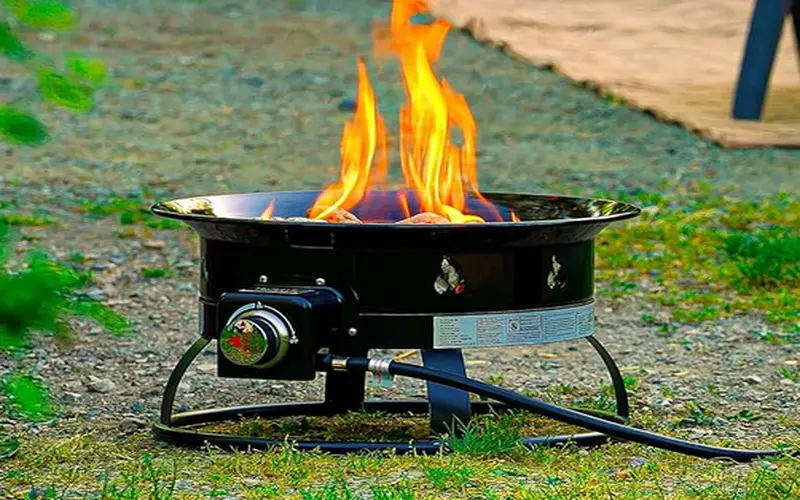
Proprietory Gas Fired Fire Pit
Conclusion
Building a simple outdoor fire pit is an accessible DIY project that can enhance your outdoor living space and provide hours of enjoyment. With just a few basic materials and tools, you can create a functional, attractive fire pit that will last for years to come.
By following this step-by-step guide, even beginner DIY enthusiasts can successfully build a fire pit that offers warmth, ambience, and a gathering place for family and friends. Whether you’re roasting marshmallows, enjoying a chilly evening by the fire, or hosting outdoor gatherings, your homemade fire pit will become a central feature of your backyard.
So grab your tools, roll up your sleeves, and get ready to build a fire pit that will be the heart of your outdoor space!