
Finding Cold Spots in My House and Fixing the Insulation
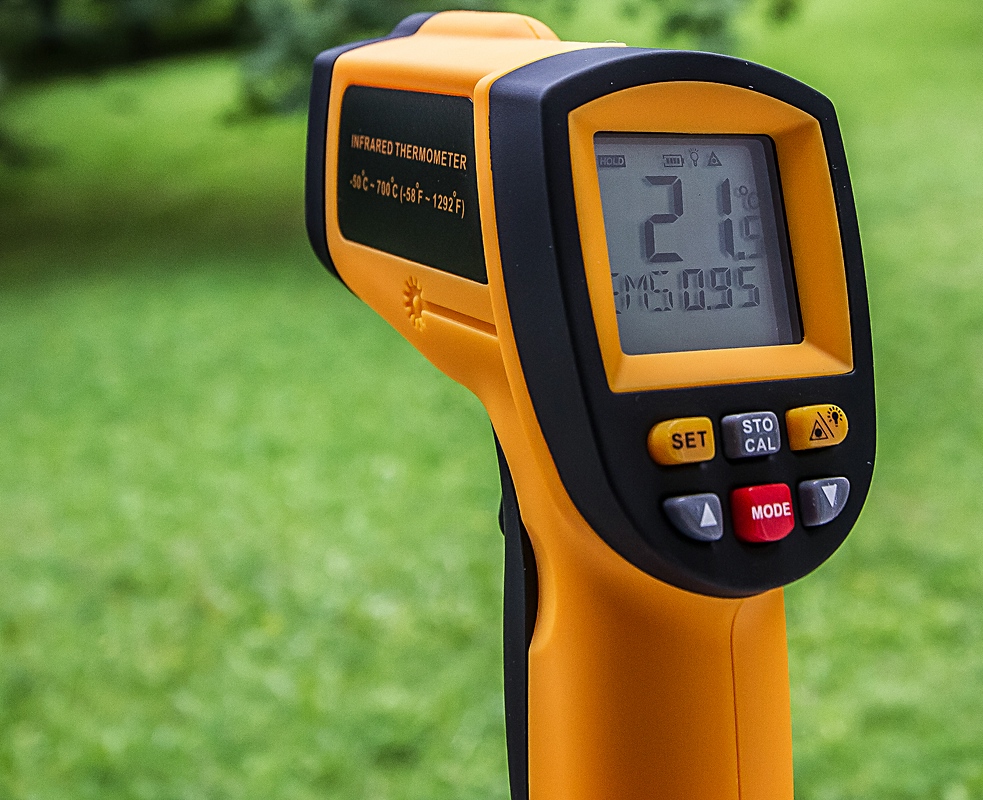
Insulating a house to keep out the cold. Last winter, I Insulated my home. I invested in an infrared thermometer gun—an absolute game-changer. This little gadget works by pointing it at a surface and instantly reading the temperature. I noticed my house had the personality of a freezer. No matter how high I cranked up the thermostat, I still had to huddle under a blanket, looking like an extra from The Day After Tomorrow. Something had to be done.
Table of Contents
So, armed with an electronic thermometer gun (a device that made me feel like James Bond on a home-improvement mission and they can be surprisingly inexpensive), I set out to find the sneaky culprits behind my frosty misery: cold spots.
What followed was a surprisingly enlightening (and occasionally hilarious) journey through the nooks and crannies of my home. Let me share what I learned, from pinpointing the icy offenders to fixing them so you can enjoy a toasty home without bankrupting yourself on heating bills.
Finding the Cold Spots: My Thermometer Gun Adventure
The first step in my winter crusade was locating the cold spots. For this, I invested in an infrared thermometer gun—an absolute game-changer. This little gadget works by pointing it at a surface and instantly reading the temperature. It’s like playing hide-and-seek with the cold, only much more satisfying.
How I Used It:
I walked around the house, systematically pointing the thermometer at walls, windows, doors, and floors. The screen lit up with temperature readings, and I jotted down the coldest spots on a notepad.
Key Targets:
- Around windows and doors
- Exterior-facing walls
- Corners of rooms
- Ceilings and floors near attics or basements
It didn’t take long to find the trouble zones. My living room window registered a teeth-chattering 10°C, while the corner of my bedroom felt like a scene from Frozen.
Tip: Do this on a cold day when the heating is on. The temperature difference will make cold spots stand out more clearly.
Investigating the Cold Spots
Once I had my list of icy offenders, it was time to figure out why these spots were so chilly. Each cold spot had its own personality (and problem), which I discovered through a bit of poking, prodding, and detective work.
1. Drafty Windows
One of the biggest culprits was my living room window. I could feel a slight breeze even when it was shut tighter than a drum. The thermometer confirmed it—this was a major heat escape route.
The Problem: Poor seals around the frame. Over time, window seals can deteriorate, letting in cold air.
The Fix: I applied weatherstripping tape around the edges of the frame and sealed visible gaps with a clear silicone caulk. For good measure, I added a heavy thermal curtain, which worked wonders for keeping the cold at bay.
2. Cold Corners
The corners of my bedroom were another story. They felt noticeably colder than the rest of the walls, and no amount of extra heating seemed to help.
The Problem: Poor insulation in the walls. Corners often get overlooked during insulation installation, especially in older homes.
The Fix: I couldn’t rip apart the walls (budget constraints and all), so I opted for a quick fix: installing insulated wall panels. These are decorative and functional, acting like a warm coat for your walls.
Pro Tip: Use a thermal imaging camera (many infrared thermometers have this feature) to see exactly where the insulation is missing. It’s like X-ray vision for your home!
3. Floor Icy Enough for Ice Skates
The thermometer gun revealed my hallway floor was significantly colder than any other surface. My feet had been telling me this all along, but seeing the numbers confirmed it.
The Problem: Cold air rising from the uninsulated basement.
The Fix: I laid down thick, insulated rugs to combat the immediate chill. Long-term, I plan to insulate the basement ceiling with rigid foam boards. For now, the rugs are doing a fantastic job (and they look great too).
4. The Chilly Roof
I pointed the thermometer at my ceiling and attic hatch and found significant heat loss. Heat rises, and my roof was practically inviting it to escape.
The Problem: Poor insulation in the attic.
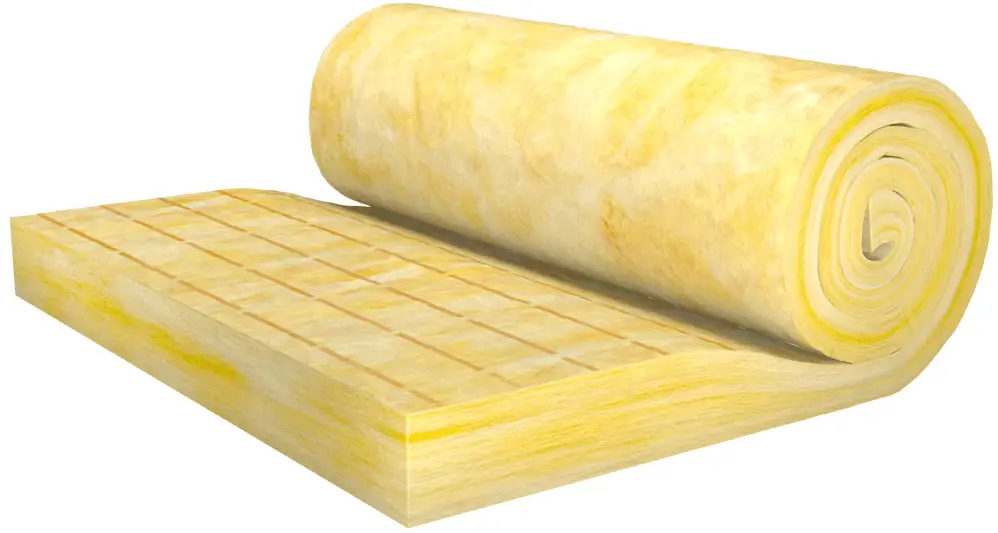
The Fix: I added a layer of fibreglass insulation rolls to the attic floor, ensuring they overlapped to prevent gaps. I also sealed the attic hatch with a foam gasket. Bonus: the attic now feels like a cosy retreat!
Insulating Like a Pro: Materials and Methods
Now that I had identified and treated the major cold spots, I wanted to share what I learned about insulation in general. If you’re starting from scratch or upgrading your home’s insulation, here’s what to consider:
1. Wall Insulation
For walls, you can choose between cavity wall insulation (injecting insulating material into gaps) or solid wall insulation (applying panels). I used insulated wall panels in my bedroom corner, but if you’re renovating, consider a more permanent solution.
2. Roof Insulation
The attic is the first place to check. Fiberglass rolls, foam boards, or loose-fill insulation are all great options. I went with fibreglass rolls because they’re cost-effective and easy to install.
3. Window Insulation
Double glazing is ideal, but if you’re on a budget, weatherstripping and thermal curtains can make a world of difference. For a quick, affordable hack, consider window film kits that create an extra insulating layer.
4. Floor Insulation
If you have access to the space beneath your floorboards (like a basement), insulating there can make a huge difference. For those with limited access, thick rugs or carpet underlays work as a temporary fix.
Roof Coverings: Keeping the Heat In
When it came to the roof, I realized insulation alone wasn’t enough. Roof coverings play a crucial role in keeping the heat inside your home.
My Solution:
I checked my roof for any damaged or missing tiles and replaced them. Then, I added a waterproof membrane beneath the tiles to improve insulation and protect against leaks.
If you’re considering a full roof upgrade, metal roofs with proper underlayment or modern insulated roofing panels are fantastic options for both warmth and durability.
Final Thoughts
By the end of my thermometer-wielding mission, my home was significantly warmer, and my heating bills were noticeably lower. Finding and fixing cold spots turned out to be both satisfying and oddly fun (who knew a gadget could make home improvement so entertaining?).
If you’re shivering your way through winter, grab an infrared thermometer and start hunting for those sneaky cold spots. Whether it’s drafty windows, chilly corners, or icy floors, there’s a solution for every problem. And trust me, once you’ve tackled them, you’ll never look at a blanket the same way again.
Here’s to a warm and cosy winter—may your house be as snug as a bug in a rug!