
DIY Aircrete: A Comprehensive Guide
DIY Aircrete, is a lightweight, foamed version of concrete and can be made at home in small or large amounts. It has revolutionized DIY building projects by offering an affordable, easy-to-use, and highly versatile material. This guide delves into the process of creating aircrete, the best practices for mixing, and comparisons with other materials to highlight its strengths and limitations. By the end, you’ll be equipped to incorporate aircrete into your next DIY venture.
Table of Contents
AIRCRETE CONSISTS OF ONLY A SMALL AMOUNT OF CEMENT, AIR AND WASHING-UP LIQUID.
What is DIY Aircrete?
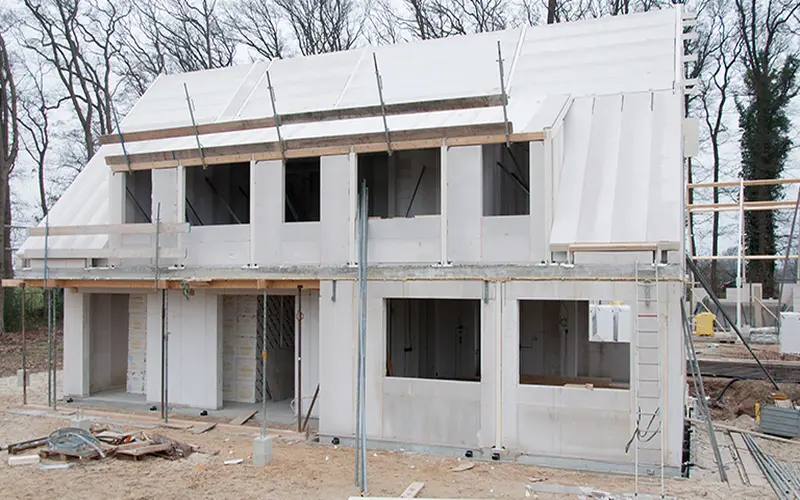
Aircrete is a type of lightweight concrete made by mixing cement slurry with stable foam. The result is a material that is significantly lighter than traditional concrete while still being strong enough for many construction applications. Aircrete’s versatility makes it popular for projects such as building blocks, insulation panels, lightweight foundations, and even entire homes.
Benefits of Aircrete
- Lightweight: Easier to transport and handle than traditional concrete.
- Cutting:With a normal woodworking handsaw. No chisels and power tools needed.
- Thermal Insulation: Excellent for maintaining indoor temperatures.
- Cost-Effective: Uses less cement, reducing material costs.
- Eco-Friendly: Reduces the need for dense aggregate materials.
- DIY-Friendly: Can be made with basic tools and readily available materials.
How to Mix DIY Aircrete
Creating aircrete requires a balance between a cement slurry and stable foam. Here’s a step-by-step guide:
Materials Needed:
- Cement: Ordinary Portland cement is ideal.
- Foam Generator: A DIY foam generator can be built using a compressor, a foam-making chamber, and a nozzle. Go here for article on how to make yours…
- Liquid Detergent: A high-foaming detergent, such as dish soap or a commercial foaming agent.
- Water: Clean water for mixing.
- Bucket or Mixing Drum: For the cement slurry.
- Drill Mixer: To mix the cement and water thoroughly.
Mixing Process:
- Prepare the Cement Slurry:
- Mix cement and water in a 2:1 ratio (2 parts cement to 1 part water) until you achieve a smooth, lump-free consistency. Use a drill mixer to save time and ensure uniformity.
- Generate Foam:
- Dilute liquid detergent with water in a 1:40 ratio (1 part detergent to 40 parts water).
- Use the foam generator to produce stable foam with small, consistent bubbles. The foam should be firm enough to hold its shape without collapsing.
- Combine Slurry and Foam:
- Gradually fold the foam into the cement slurry until the mixture reaches the desired density.
Table 1: Proportions of Foam to Cement for Aircrete
| Application | Cement Slurry:Foam Ratio | Resulting Density (kg/m³) |
|---|---|---|
| Insulation Panels | 1:3 | 400 |
| Lightweight Blocks | 1:2 | 600 |
| Structural Applications | 1:1 | 800 |
Comparison of Aircrete and Normal Concrete
Aircrete differs significantly from traditional concrete, particularly in weight and strength. While it is not suitable for high-load structural applications, it excels in areas where lightweight, insulation, or ease of use is required.
Table 2: Strength Comparison of Aircrete and Normal Concrete
| Material | Compressive Strength (MPa) | Tensile Strength (MPa) |
| Normal Concrete | 20-40 | 2-5 |
| Aircrete | 1-5 | 0.5-1 |
Aircrete vs. Concrete vs. Styrocrete
Styrocrete is another alternative that incorporates polystyrene beads for lightweight properties. Here’s how these materials compare:
Table 3: Strength Comparison of Aircrete, Concrete, and Styrocrete
| Material | Compressive Strength (MPa) | Tensile Strength (MPa) |
| Normal Concrete | 20-40 | 2-5 |
| Aircrete | 1-5 | 0.5-1 |
| Styrocrete | 1-3 | 0.3-0.8 |
Table 4: Weight Comparison of Concrete, Aircrete, and Styrocrete
| Material | Weight (kg/m³) |
| Normal Concrete | 2400 |
| Aircrete | 400-800 |
| Styrocrete | 300-600 |
Choosing the Right Liquid Detergent
The quality of the foam is crucial for successful aircrete. THOUGH SOME WASHING UP LIQUIDS WILL WORK FINE, a detergent that produces stable, small bubbles is ideal. While household dish soaps can work, a commercial foaming agent like Drexel™ or SuperFoam™ is recommended for consistent results. These products are designed specifically for construction applications and produce foam that doesn’t collapse easily.
Applications of DIY Aircrete
- DIY Building Blocks: Lightweight and easy to handle, these blocks are great for DIY home projects.
- Insulation Panels: Aircrete’s thermal insulation properties make it an excellent choice for energy-efficient buildings.
- Garden Features: Create lightweight planters, benches, or decorative walls.
- Furniture: Use aircrete to craft durable and lightweight tables or chairs.
- Foundations: Suitable for small-scale projects where load-bearing is minimal.
Tips for Working with Aircrete
- Consistency is Key: Maintain uniform foam and slurry proportions for consistent quality.
- Curing: Allow the aircrete to cure slowly to prevent cracking. Cover with plastic sheeting to retain moisture during the curing process.
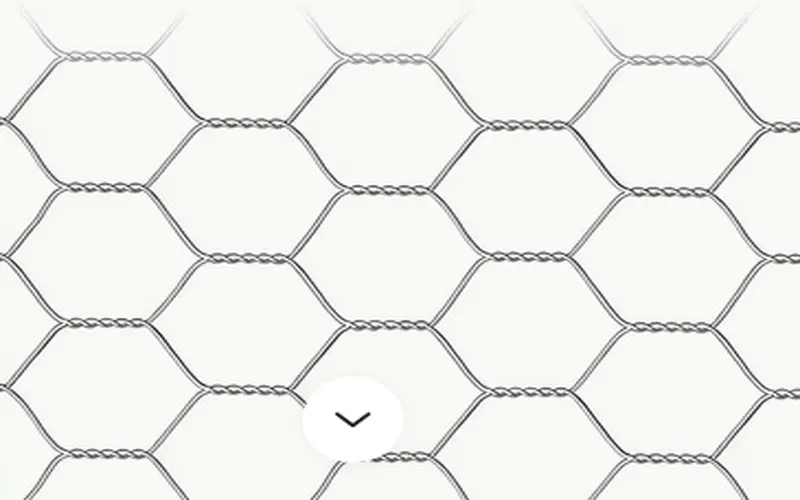
- Reinforcement: For structural applications, consider adding mesh or fibre reinforcement to improve strength.
Aircrete offers a unique combination of affordability, versatility, and ease of use making it ideal for DIY projects. While it may not replace traditional concrete in high-strength applications, its lightweight and insulating properties open up a world of possibilities for creative builders. With the right materials and techniques, you can make aircrete a valuable tool in your construction arsenal.