
Insulate pipes against winter temperatures to prevent turning unprotected water pipes into frozen time bombs. With the right preparation, you can prevent frost damage, avoid costly repairs, and maintain water flow even in sub-zero conditions. Let’s explore how to protect outside exposed pipes and loft pipes, what to do if they freeze, and the steps to handle a burst pipe. Plus, we’ll cover the proper depth for burying water pipes to prevent freezing altogether.
The Importance of Frost Protection To Insulate Pipes
Frozen pipes can rupture as the expanding ice exerts pressure, causing leaks or even complete bursts. Insulating outdoor and loft pipes not only prevents freezing but also reduces energy costs by maintaining water temperature. This is especially important for homeowners in frost-prone regions where temperatures regularly dip below zero.
Best Materials To Insulate Pipes
When it comes to frost protection for pipes, the choice of insulation material is critical. Here are some effective options:
- Foam Pipe Insulation
Lightweight and easy to install, foam sleeves are a popular choice for insulating both loft and outdoor pipes. They provide a snug fit and reduce heat loss significantly. - Rubber Insulation
Flexible and durable, rubber pipe insulation is excellent for extreme temperatures. It’s resistant to condensation and can handle a wide range of climates. - Fibreglass Insulation
This heavy-duty option is ideal for pipes in unheated areas like lofts. It offers high thermal resistance and is perfect for long-term protection. - Heat Tape or Cable
For areas with severe winters, heat tape or electric heating cables wrap around pipes to maintain warmth. They are especially useful for pipes that are difficult to insulate traditionally. - Weatherproof Pipe Covers
For exposed outdoor taps and valves, these covers provide an additional layer of frost protection.
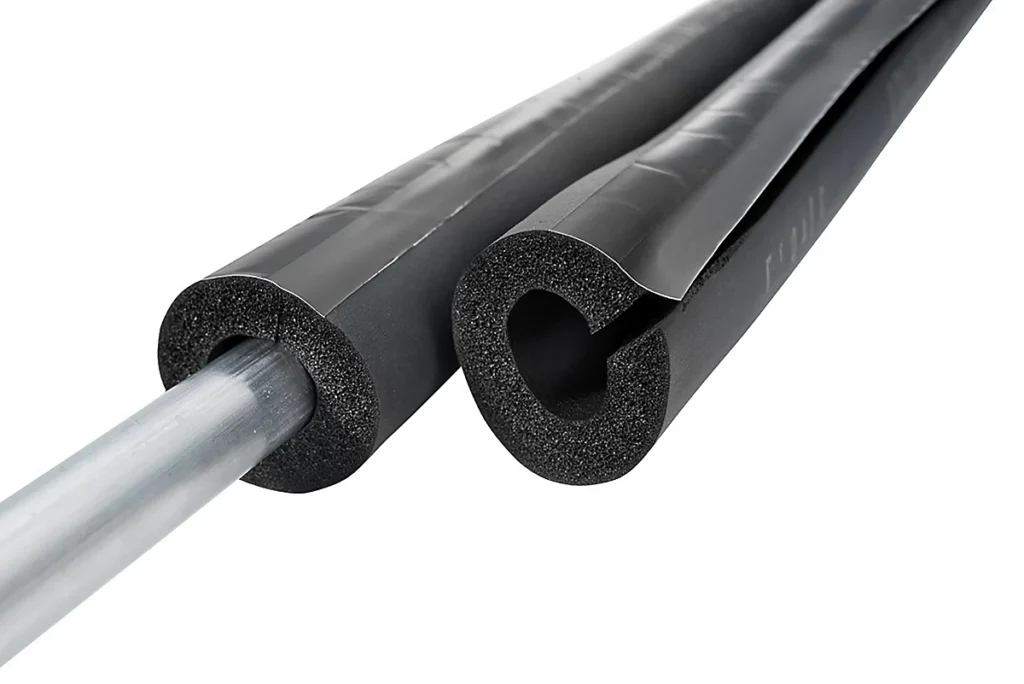
Tip: Always measure your pipes accurately and ensure there are no gaps in the insulation. Use waterproof tape to seal joints and bends.
How to Insulate Pipes in Lofts and Outdoors
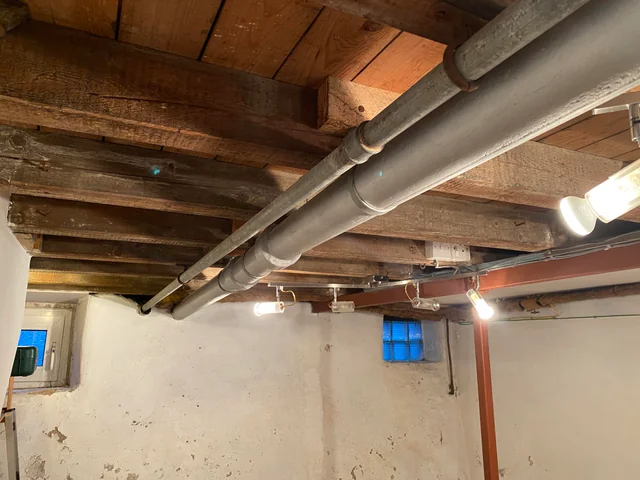
- Assess the Vulnerable Pipes: Identify exposed pipes in lofts, basements, or outdoors that are most at risk of freezing.
- Wrap Pipes with Insulation: Use foam or rubber insulation to cover the pipes completely. Ensure the insulation fits snugly without leaving any gaps.
- Seal the Joints: Use tape or cable ties to secure the insulation firmly, especially around bends or valves.
- Check for Leaks: Inspect pipes for leaks or damage before insulating, as insulation can conceal existing problems.
- Protect Outdoor Taps: Invest in weatherproof covers for outdoor taps to prevent frost damage.
What to Do if a Pipe Freezes
If you wake up to no water flowing, chances are your pipes have frozen. Here’s what to do:
- Turn Off the Main Water Supply: This prevents potential damage if the pipe bursts.
- Locate the Frozen Pipe: Look for frost buildup, bulges, or areas that feel particularly cold.
- Thaw Slowly: Use a hair dryer, heat lamp, or warm towels to thaw the pipe. Never use an open flame or direct high heat, as it can damage the pipe.
- Open Taps: As the ice melts, open taps to relieve pressure and allow water to flow.
Warning: If you cannot locate the freezing point or are unsure about thawing, call a professional plumber.
How To Fix A Burst Pipe
A burst pipe can cause significant water damage if not handled quickly. Here’s what to do:
- Turn Off the Water Supply Immediately: Shut off the main valve to stop the flow of water.
- Drain the System: Open all taps to release any remaining water.
- Contain the Leak: Use buckets, towels, or waterproof tape to minimize damage while waiting for repairs.
- Call a Plumber: Burst pipes require professional repairs to ensure the integrity of your plumbing system.
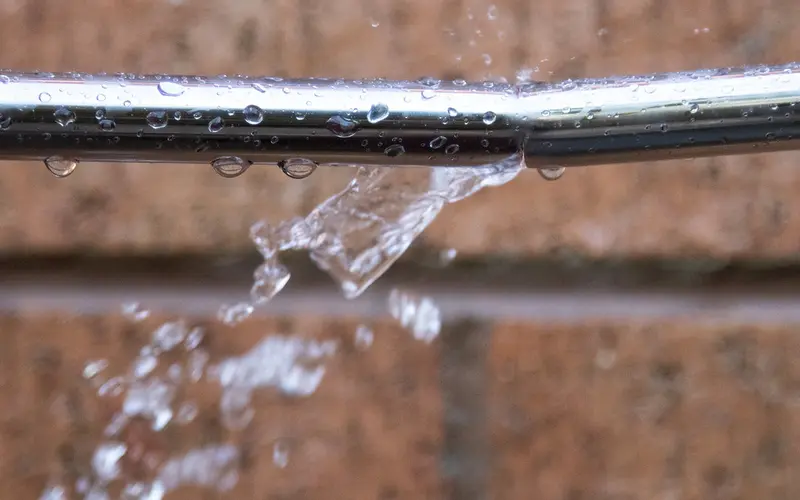
Emergency Tip: Keep pipe repair kits or heavy-duty tape on hand for temporary fixes.
How Deep Should Water Pipes Be Buried?
For outdoor water pipes, the depth of burial is crucial to prevent freezing. In the UK, water pipes should be buried at least 750mm to 1200mm (approximately 2.5 to 4 feet) below the surface. This depth keeps the pipes below the frost line, ensuring they remain insulated by the surrounding soil.
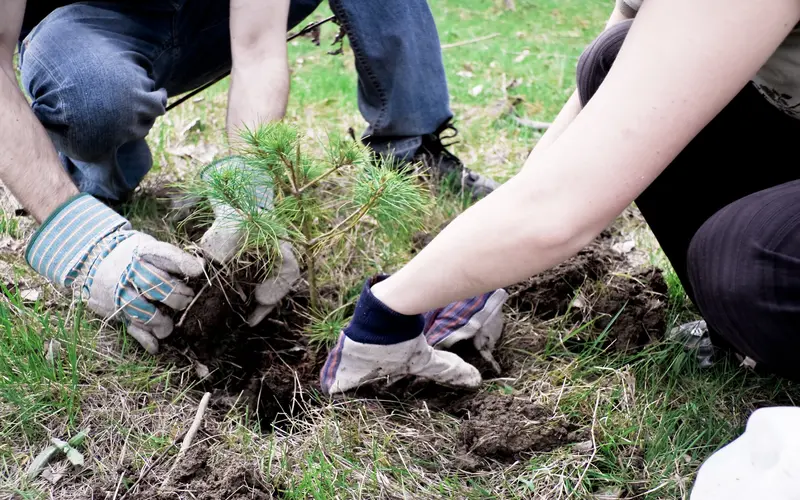
For areas with severe frost, consider adding extra insulation or using frost-resistant pipe materials like polyethylene.
Final Thoughts
Frost protection to insulate pipes is an essential part of winter home maintenance. By insulating vulnerable pipes, preparing for potential freezes, and knowing how to act during emergencies, you can save yourself from costly repairs and winter stress. Whether it’s using foam insulation, thawing frozen pipes safely, or burying pipes below the frost line, a little preparation goes a long way to insulate pipes and keep your home warm and water flowing all season long.