
What UK Homeowners Need to Know
Table of Contents
Replacing your windows should make your home warmer, quieter, and more energy efficient. For many homeowners, it does exactly that.
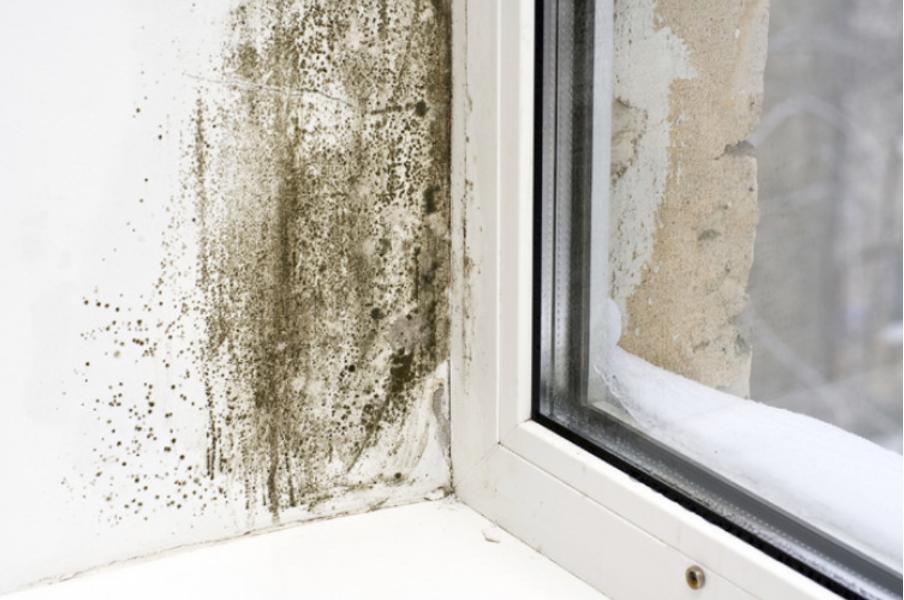
But for a growing number of people across the UK, new windows are bringing an unexpected problem with them — dampness around the window area.
If you’ve recently had windows replaced and are now noticing damp patches, mould, or condensation around the frames, you’re not alone. More importantly, this isn’t something to ignore.
Left unchecked, damp around windows can lead to structural damage, mould growth, and long-term repair costs.
Why Damp Appears After Window Replacement
It seems counterintuitive. New windows should improve your home — so why would they cause damp?
The answer lies in how modern windows interact with your home’s airflow and how they are installed.
There are three main causes:
1. Reduced Ventilation (The Most Common Cause)
Modern double and triple-glazed windows are designed to be highly airtight. While this improves energy efficiency, it also reduces natural airflow.
Older windows, particularly timber frames, allowed small amounts of air to pass through gaps. This “unintentional ventilation” helped moisture escape.
When you replace them with tightly sealed units:
- Moist air from inside the home becomes trapped
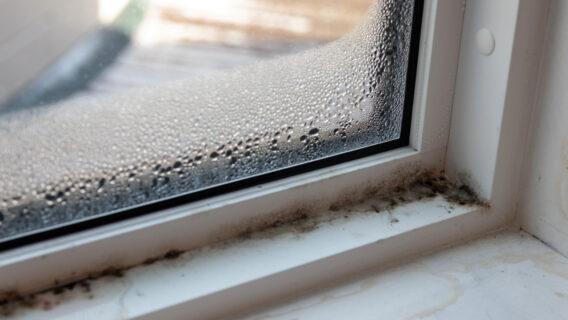
- Condensation forms on cold surfaces
- Damp patches appear around window reveals
This is especially noticeable in rooms like:
- Bedrooms
- Kitchens
- Bathrooms
Where moisture levels are naturally higher.
2. Poor Installation and Sealing
Not all window installations are equal.
If the window is not properly sealed during installation, it can allow water ingress from outside.
Common issues include:
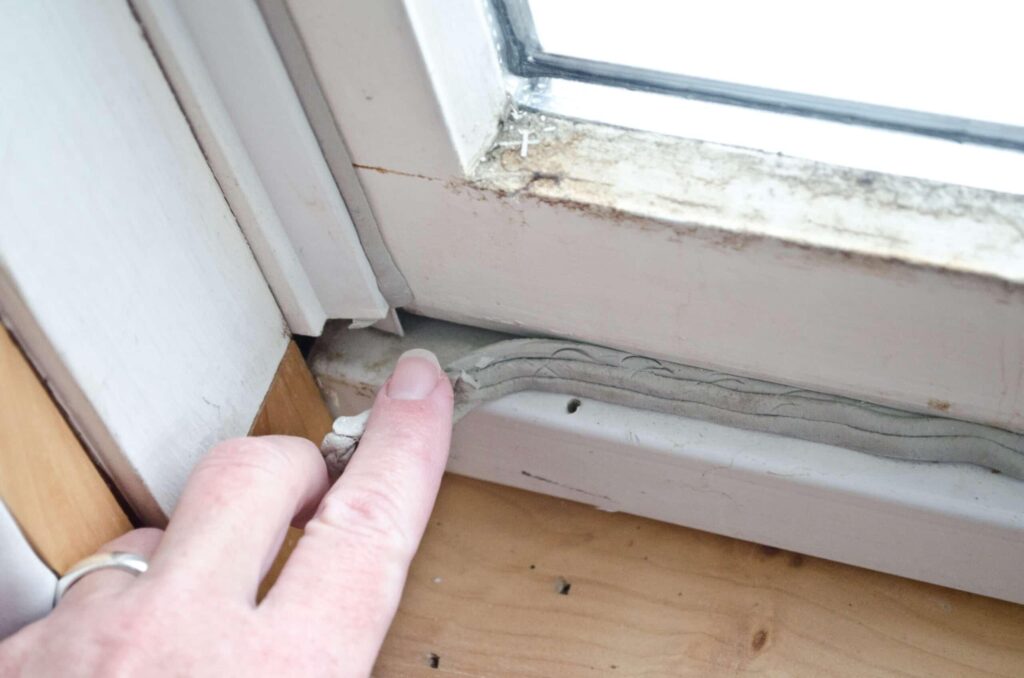
- Gaps between the window frame and wall
- Poorly applied sealant
- Missing or inadequate cavity trays
- Incorrect use of expanding foam
Water can enter during rain and slowly soak into surrounding materials.
Unlike condensation, this type of damp often appears as:
- Localised patches
- Staining below the window
- Damp that worsens after heavy rain
This is not a ventilation issue — it is a fitting problem.
3. Thermal Bridging
Another less obvious cause is something called thermal bridging.
This occurs when heat escapes through certain parts of a structure more easily than others.
Around windows, this can happen if:
- Insulation is missing or poorly installed
- The window frame is in direct contact with colder external materials
This creates cold spots where condensation forms more easily.
Over time, these areas can become damp and attract mould.
The Warning Signs to Look For
Damp around windows doesn’t always appear dramatically at first. It often starts subtly.
Look out for:
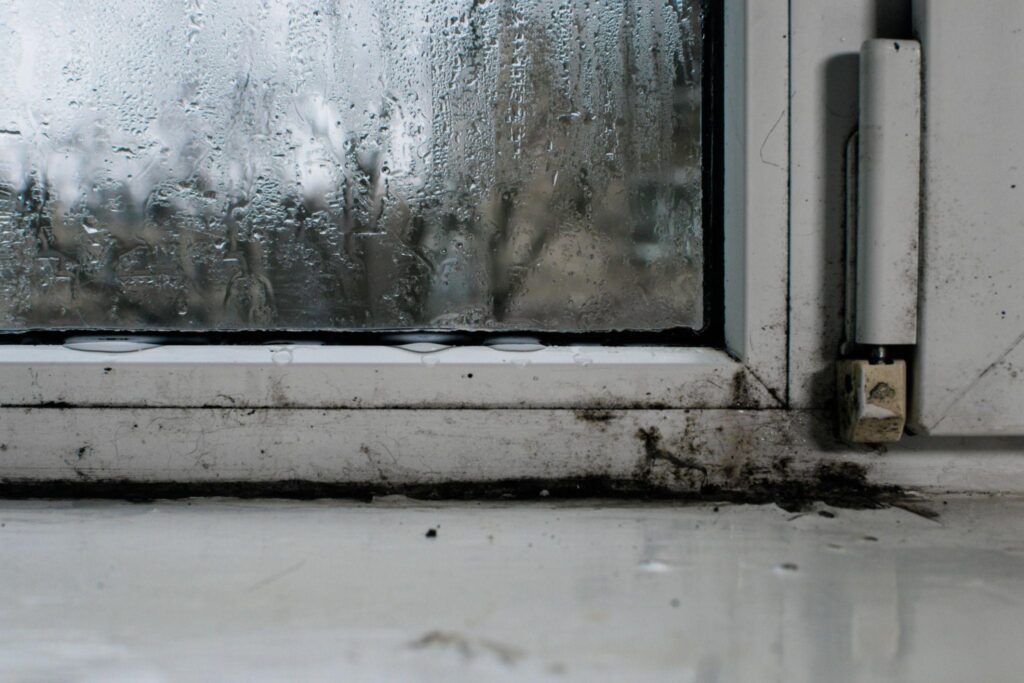
- Black mould forming around window edges
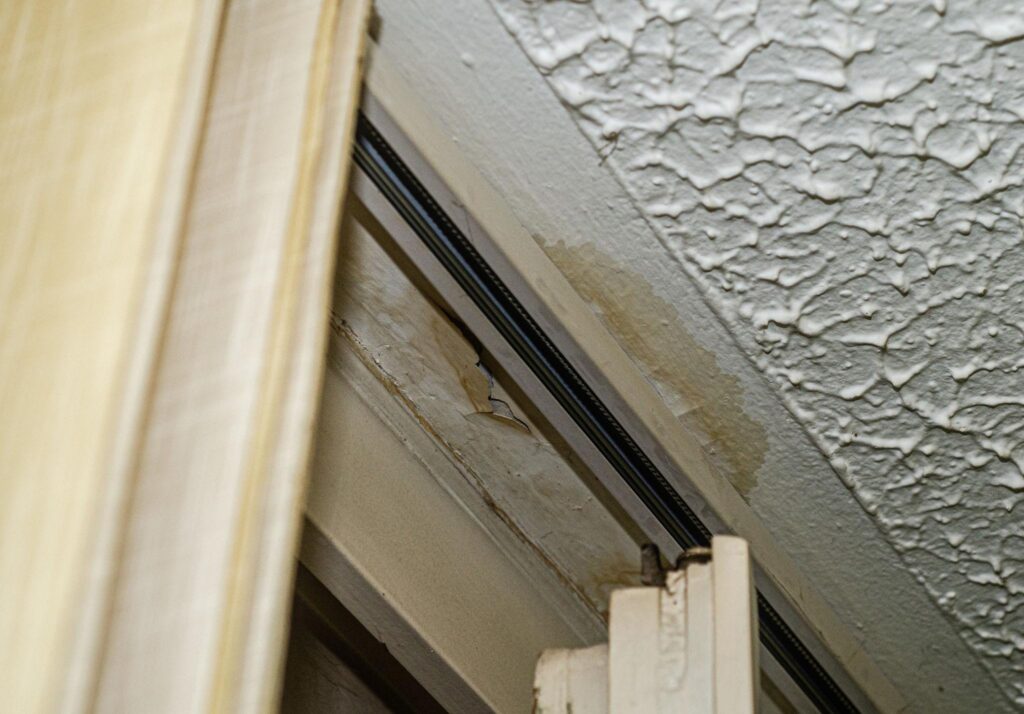
- Peeling paint or wallpaper near the frame
- Musty smells in the room
- Water droplets on the inside of glass or frames
- Discoloured plaster or staining
If you notice any of these signs shortly after window replacement, it’s worth investigating early.
Condensation vs Water Ingress: Know the Difference
Understanding the source of the damp is key to fixing it.
Condensation:
- Appears on cold mornings
- Found on glass and surrounding areas
- Worse in winter
- Linked to indoor humidity
Water Ingress:
- Appears after rain
- Localised patches
- May worsen over time
- Often linked to installation defects
Getting this wrong can lead to wasted time and money on the wrong solution.
Why This Problem Is Becoming More Common
This issue is increasing across the UK for a simple reason:
Homes are becoming more airtight — but not always better ventilated.
Window replacements are often done with a focus on:
- Energy efficiency
- Speed of installation
- Clean external appearance
Less attention is sometimes given to:
- Ventilation balance
- Moisture management
- Long-term performance
As a result, homes can become sealed boxes where moisture has nowhere to go.
How to Fix Damp Around Windows
The right solution depends on the cause.
If It’s Condensation:
You need to reduce indoor moisture and improve airflow.
Practical steps include:
- Using trickle vents (if fitted)
- Opening windows regularly
- Using extractor fans in kitchens and bathrooms
- Running a dehumidifier
- Avoiding drying clothes indoors where possible
Small changes can make a noticeable difference.
If It’s Installation-Related:
You may need to take a more direct approach.
This can include:
- Resealing the window externally
- Filling gaps properly
- Checking flashing and drainage
- In some cases, partial reinstallation
If the work is recent, contact the installer — it may still be under warranty.
If It’s Thermal Bridging:
Improving insulation around the window reveal is key.
This might involve:
- Adding insulated plasterboard
- Reworking internal finishes
- Addressing cold spots
Prevention: What to Do Before Installing New Windows
If you’re planning window replacements, this is where you can avoid the problem entirely.
Ask your installer:
- How ventilation will be maintained
- Whether trickle vents are included
- How the window will be sealed internally and externally
- How moisture will be managed
A good installer should be able to explain this clearly.
If they can’t, that’s a warning sign.
The Bigger Picture
Damp around windows is not just a minor inconvenience.
It can lead to:
- Mould growth (which affects health)
- Damage to plaster and decoration
- Long-term structural issues if ignored
More importantly, it highlights a broader issue in modern home improvement:
Energy efficiency without proper ventilation can create new problems.
The Bottom Line
Replacing your windows should improve your home — not introduce new issues.
But when damp appears, it’s usually a sign that something has been overlooked.
The key points are simple:
- Modern windows reduce airflow
- Poor installation allows water in
- Cold spots encourage condensation
Understanding which one applies to your situation is the first step toward fixing it.
For DIY homeowners and renovators, the lesson is clear:
Good building practice is about balance — not just sealing everything tight.
Because when moisture gets trapped…
…it always finds a way to make itself known.