
The Silent Problem Destroying UK Roofs
Table of Contents
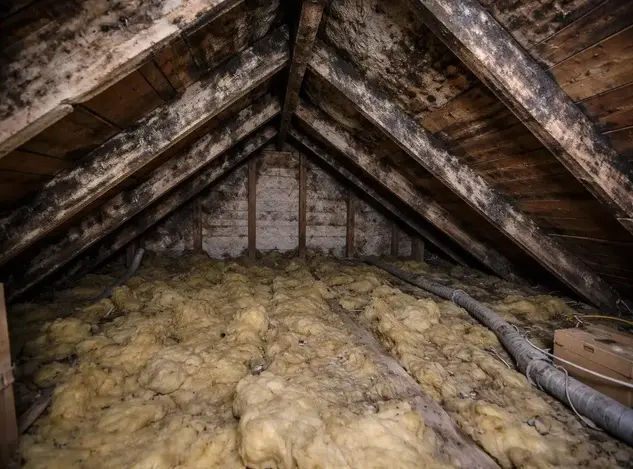
Condensation in loft spaces is one of the most overlooked — and potentially damaging — problems in UK homes.
Unlike a leaking roof, it doesn’t always announce itself clearly. There are no obvious drips, no sudden water ingress. Instead, it develops slowly, quietly, and often unnoticed.
By the time most homeowners discover it, the damage is already underway.
If left unresolved, loft condensation can lead to:
- Rotting roof timbers
- Damp insulation
- Mould growth
- Long-term structural damage
This is why it’s often referred to as a “silent” problem— but one that can become extremely costly.
Why Condensation Happens in Loft Spaces
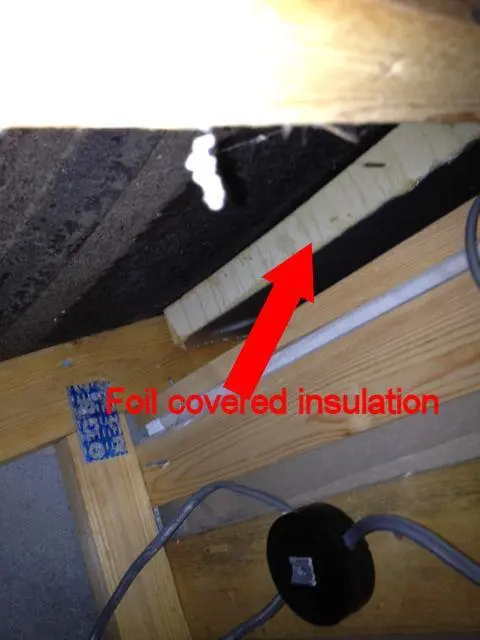
At its core, condensationis simple:
Warm, moist air rises from inside your home and meets the cold surfaces in your loft.
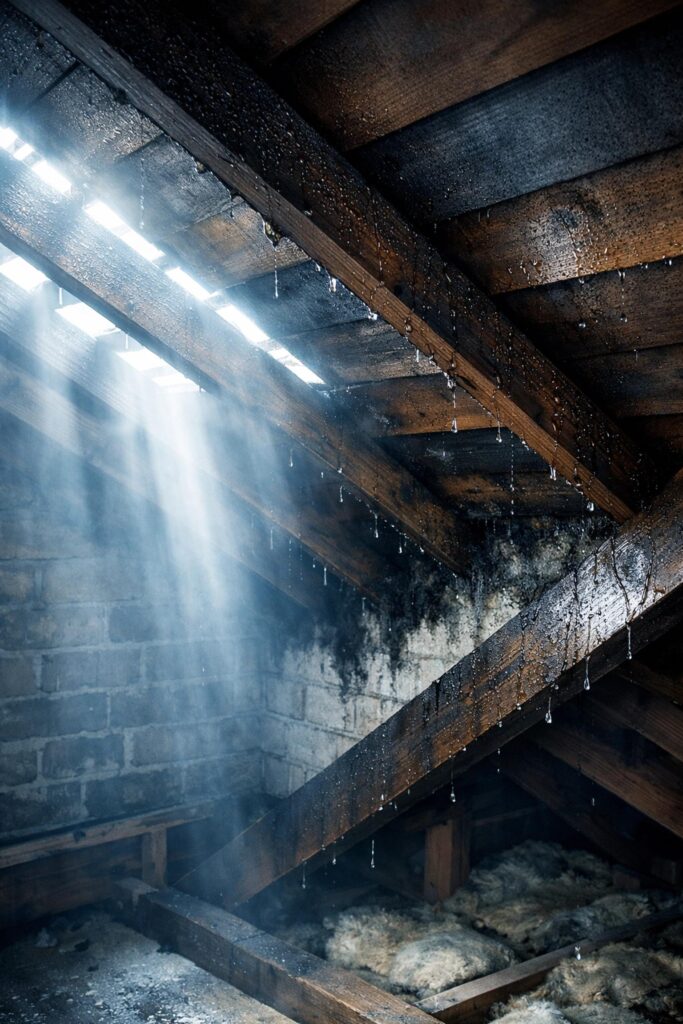
When that warm air cools, it releases moisture — which settles on surfaces like:
- Roof felt
- Rafters
- Insulation
Over time, this moisture builds up.
Where Does the Moisture Come From?

Most homeowners assume moisture comes from outside.
In reality, the majority comes from inside your home.
Everyday activities produce moisture:
- Cooking
- Showering
- Drying clothes indoors
- Breathing
This warm, moisture-laden air naturally rises — and eventually reaches the loft.
Why the Problem Is Getting Worse
Loft condensation is becoming more common in the UK for one key reason:
Homes are more airtight than ever
Modern upgrades such as:
…are excellent for energy efficiency.
But they also reduce natural airflow.
Without proper ventilation, moisture becomes trapped.
The Role of Loft Ventilation
A healthy loft needs airflow.
Cold air should enter through vents (e.g. soffits or eaves), circulate, and carry moisture away.
When ventilation is restricted:
- Moisture accumulates
- Surfaces remain damp
- Condensation becomes persistent
Common Causes of Poor Loft Ventilation
Several issues can block airflow:
🔹 Insulation Blocking Eaves
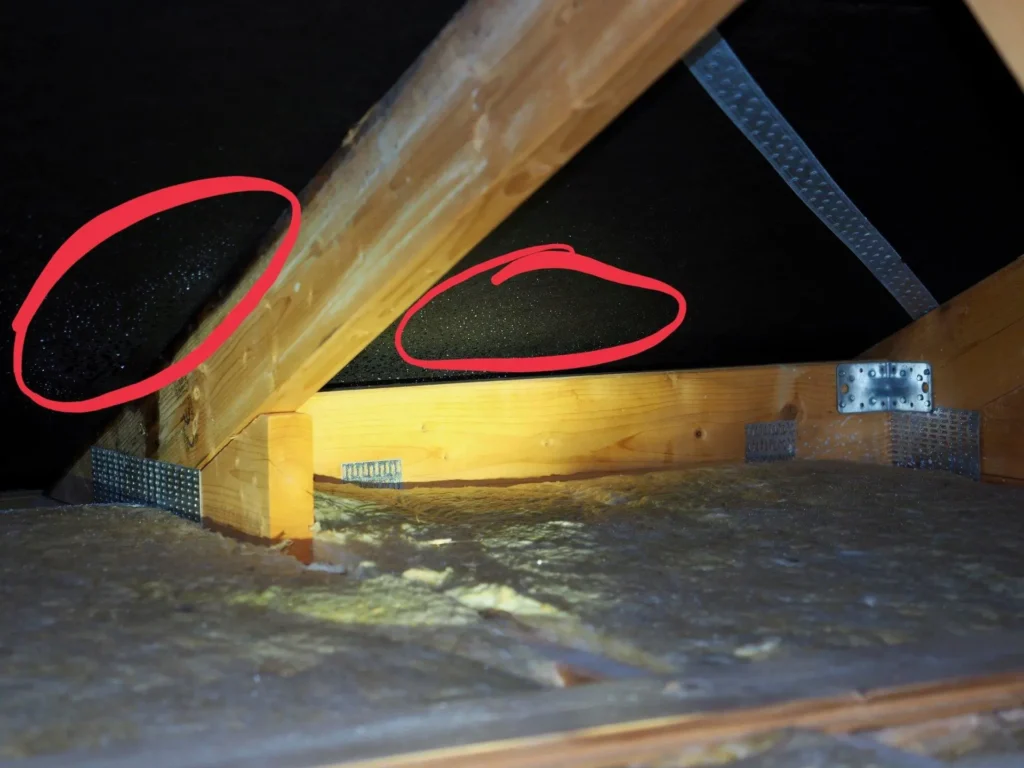
Loft insulation is often pushed right into the eaves, blocking airflow from outside.
This is one of the most common DIY mistakes.
🔹 Missing or Inadequate Vents
Older properties may not have sufficient ventilation built in.
🔹 Sealed Roof Spaces
Certain insulation methods — including spray foam — can prevent airflow entirely.
👉 This directly links to your spray foam article.
Warning Signs of Loft Condensation
Because it’s out of sight, many homeowners miss early signs.
Look out for:
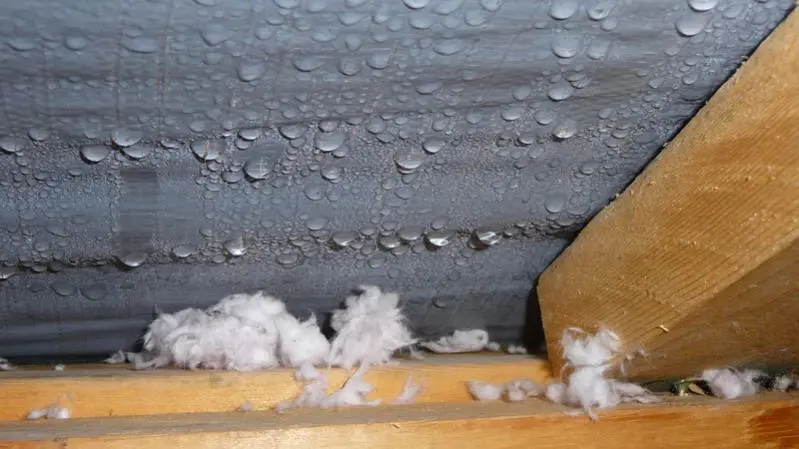
- Water droplets on roofing felt
- Damp or compressed insulation
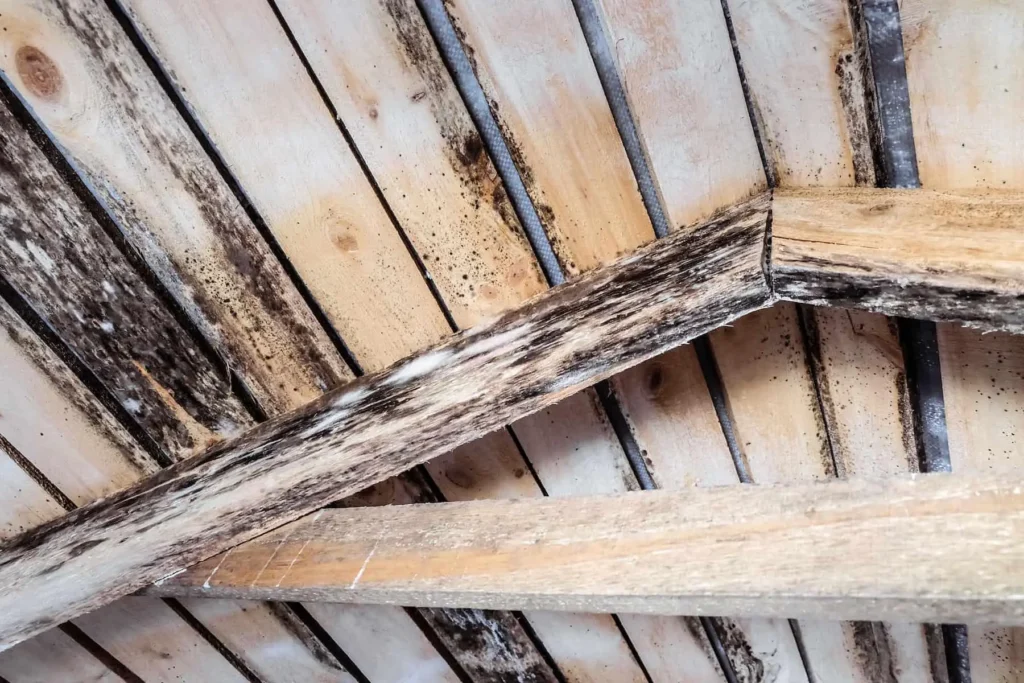
- Black mould on rafters
- A musty smell in the loft
- Rusting nails or fixings
If you see any of these, the problem is already established.
The Damage It Can Cause
Loft condensation is not harmless.
Over time, it can lead to:
🧱 Timber Rot
Constant dampness weakens structural timbers.
🧊 Insulation Failure
Wet insulation loses effectiveness — increasing heating costs.
🦠 Mould Growth
Mould can spread and affect indoor air quality.
💰 Costly Repairs
Severe cases may require timber replacement or roof work.
How to Fix Loft Condensation
The solution is not complicated — but it must be done correctly.
✔ Improve Ventilation
- Ensure soffit vents are clear
- Install additional roof vents if needed
- Allow airflow across the entire loft space
✔ Check Loft Spaces Insulation Placement
- Keep insulation clear of eaves
- Use loft baffles to maintain airflow
✔ Reduce Moisture at Source
- Use extractor fans
- Avoid drying clothes indoors
- Improve general ventilation
Prevention: The Smart Approach To Loft Spaces
Preventing condensation is far easier than fixing damage.
Key principles:
- Maintain airflow
- Balance insulation with ventilation
- Monitor humidity levels
The Bigger Picture
Loft condensation is not an isolated issue.
It connects directly to other problems such as:
- Spray foam insulation risks
- Damp inside the home
- Poor ventilation systems
👉 This is exactly why your content cluster works so well.
The Bottom Line
Condensation in loft spaces is a slow but serious problem affecting many UK homes.
It is caused by:
- Warm moist air rising
- Cold surfaces in the loft
- Poor ventilation
Left unchecked, it can quietly damage your home from above.
For homeowners, the lesson is simple:
Your loft needs to breathe.
Because when it doesn’t…
…the damage builds where you can’t see it.