
Build your own powerful DIY air compressor from a refrigerator compressor. Learn how to ensure clean air output, choose the right compressor size, and add a storage tank for consistent airflow. Perfect for air tools, airbrushing, and more.
Why DIY an Air Compressor?
If you’re a DIY enthusiast or simply enjoy tinkering with old appliances, crafting a functional air compressor from a refrigerator compressor is a fantastic project. Not only is it cost-effective, but it’s also an excellent way to recycle materials and gain a versatile tool for your workshop. Whether you need it for powering air tools, inflating tyres, or airbrushing, this project can deliver. The focus keyword here is DIY air compressor, and we’ll explore everything from choosing the right compressor size to air filtration and storage.
Table of Contents
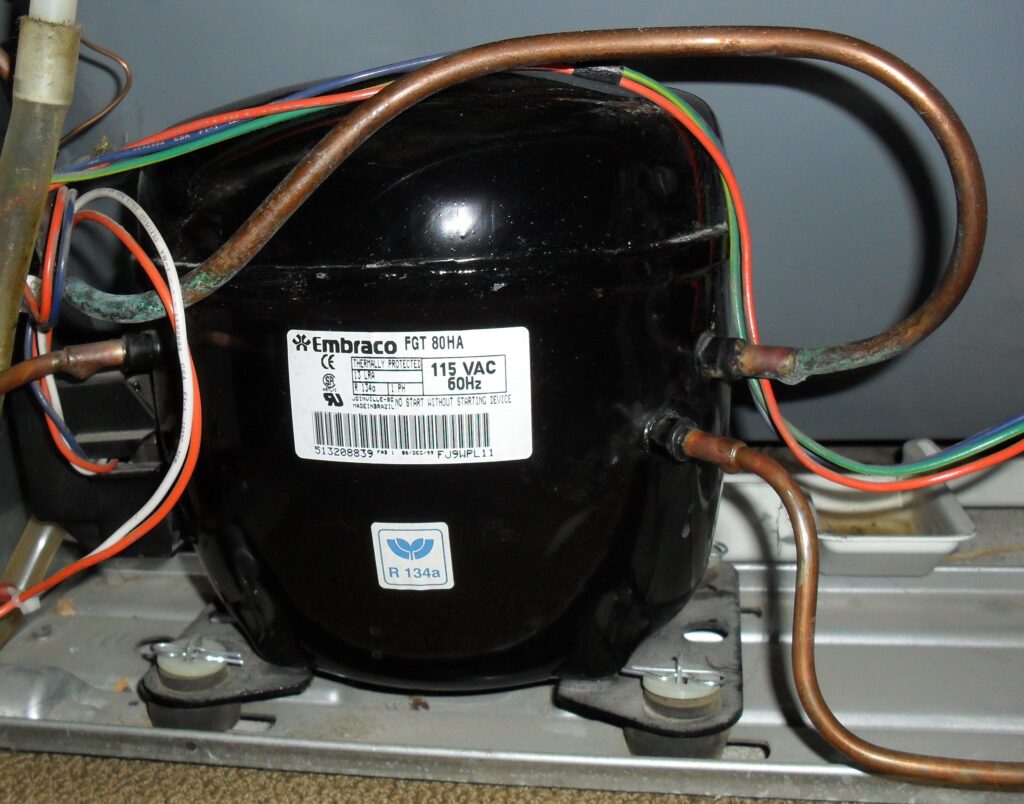
Benefits of Using a Refrigerator Compressor
Refrigerator compressors are compact, relatively quiet, and efficient. They work by compressing refrigerant in cooling systems, and with some modifications, they can compress air just as effectively. However, not all compressors are created equal. Here are key considerations:
Larger Compressors for Greater Air Volume
- Industrial Freezers: Sourcing a compressor from a commercial or industrial freezer is ideal if you need higher air output. These larger compressors can generate more compressed air, making them perfect for heavy-duty tasks such as operating pneumatic tools or filling large tyres.
- Benefit: Greater capacity means fewer interruptions during tasks that require sustained airflow.
Small Compressors for Precision Work
- Airbrushing: For tasks like airbrushing or inflating small items, a smaller refrigerator compressor is more than sufficient. Its lower air volume output is ideal for precision work, ensuring you don’t overwhelm delicate tools or surfaces.
- Benefit: Compact compressors are easy to transport and use in tight spaces, making them perfect for hobbyists.
Filtration: Keeping the Air Clean
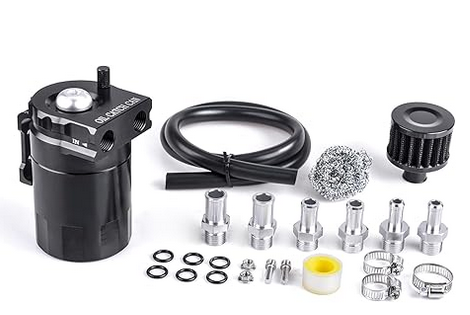
One critical modification when repurposing a refrigerator compressor is addressing oil contamination. These compressors rely on oil for lubrication, and without proper filtration, this oil can end up in the compressed air—a big no-no for most applications.
How to Filter the Air Output
- Install an Inline Oil Separator: Place an oil separator directly on the compressor’s output line. This component will trap most of the oil before it exits the system.
- Add a Fine Filter: For added protection, install a fine air filter after the oil separator. This ensures the air is free of contaminants before reaching your tools or storage tank.
- Routine Maintenance: Regularly check and clean the filters to maintain optimal performance.
The Importance of a Storage Cylinder
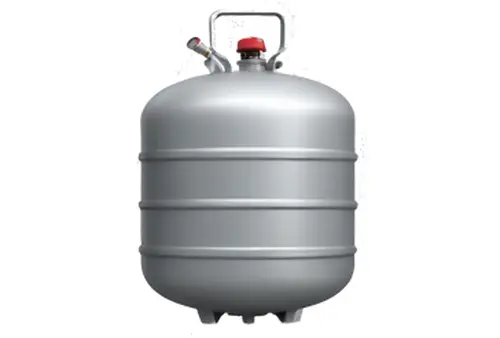
One major drawback of using a refrigerator compressor is the pulsing nature of its airflow. To create a steady, consistent output, you’ll need to incorporate a storage cylinder into your system.
Why a Storage Cylinder Matters
- Prevents Pulsing: The storage tank smooths out the pulsations from the compressor, providing a steady stream of air for your tools.
- Maintains Airflow: The tank acts as a reservoir, ensuring there’s always a ready supply of air even if the compressor can’t keep up momentarily.
- Safety: A properly rated storage cylinder can handle higher pressures safely, protecting you from potential mishaps.
Choosing the Right Cylinder
- Use a recycled fire extinguisher, an old propane tank, or any other pressure-rated cylinder. Ensure it’s rated for the maximum pressure your system will produce.
- Fit it with a pressure relief valve for added safety.
Steps to Build Your DIY Air Compressor
Materials Needed:
- Refrigerator compressor (sourced from a fridge or freezer)
- Storage cylinder (fire extinguisher or similar)
- Inline oil separator
- Fine air filter
- Pressure gauge
- Air hose and fittings
- Safety valve
- On/off switch
Assembly Steps:
- Prepare the Compressor: Remove the compressor from the refrigerator and identify the intake and output ports.
- Attach the Oil Separator: Connect the separator to the output port to capture oil. Oil separators are available from many outlets including Amazon.
- Connect the Storage Cylinder: Use high-pressure-rated fittings to link the compressor output to the storage tank.
- Add the Filters: Install a fine air filter after the tank’s outlet.
- Install the Pressure Gauge: Attach the gauge to the storage tank to monitor pressure levels.
- Test the System: Run the compressor and check for leaks or irregularities.
Air Output Requirements for Common Tools
To maximize your DIY air compressor’s utility, you’ll need to match its air output to the demands of your tools. Here’s a handy table to guide you:
| Tool | Required Air Output (CFM) | Pressure (PSI) |
|---|---|---|
| Airbrush | 0.5 – 1.0 | 20 – 30 |
| Tyre Inflator | 1.0 – 2.0 | 30 – 50 |
| Nail Gun | 2.0 – 4.0 | 70 – 120 |
| Paint Sprayer | 4.0 – 6.0 | 20 – 50 |
| Impact Wrench | 4.0 – 5.0 | 90 – 120 |
| Angle Grinder | 5.0 – 6.0 | 70 – 90 |
| Sandblaster | 6.0 – 8.0 | 90 – 120 |
Refrigerator and Freezer Compressor Sizes
To help you find the right refrigerator or freezer compressor for your DIY air compressor project, consider the following table:
| Refrigerator/Freezer Size (Cubic Feet) | Estimated Compressor Output (CFM) | Suitable Tools |
| 5 – 10 | 0.5 – 1.5 | Airbrush, Tyre Inflator |
| 10 – 15 | 1.5 – 3.0 | Nail Gun, Paint Sprayer |
| 15 – 20 | 3.0 – 4.5 | Paint Sprayer, Impact Wrench |
| 20+ (Industrial Freezer) | 4.5 – 6.5 | Die Grinder, Sandblaster |